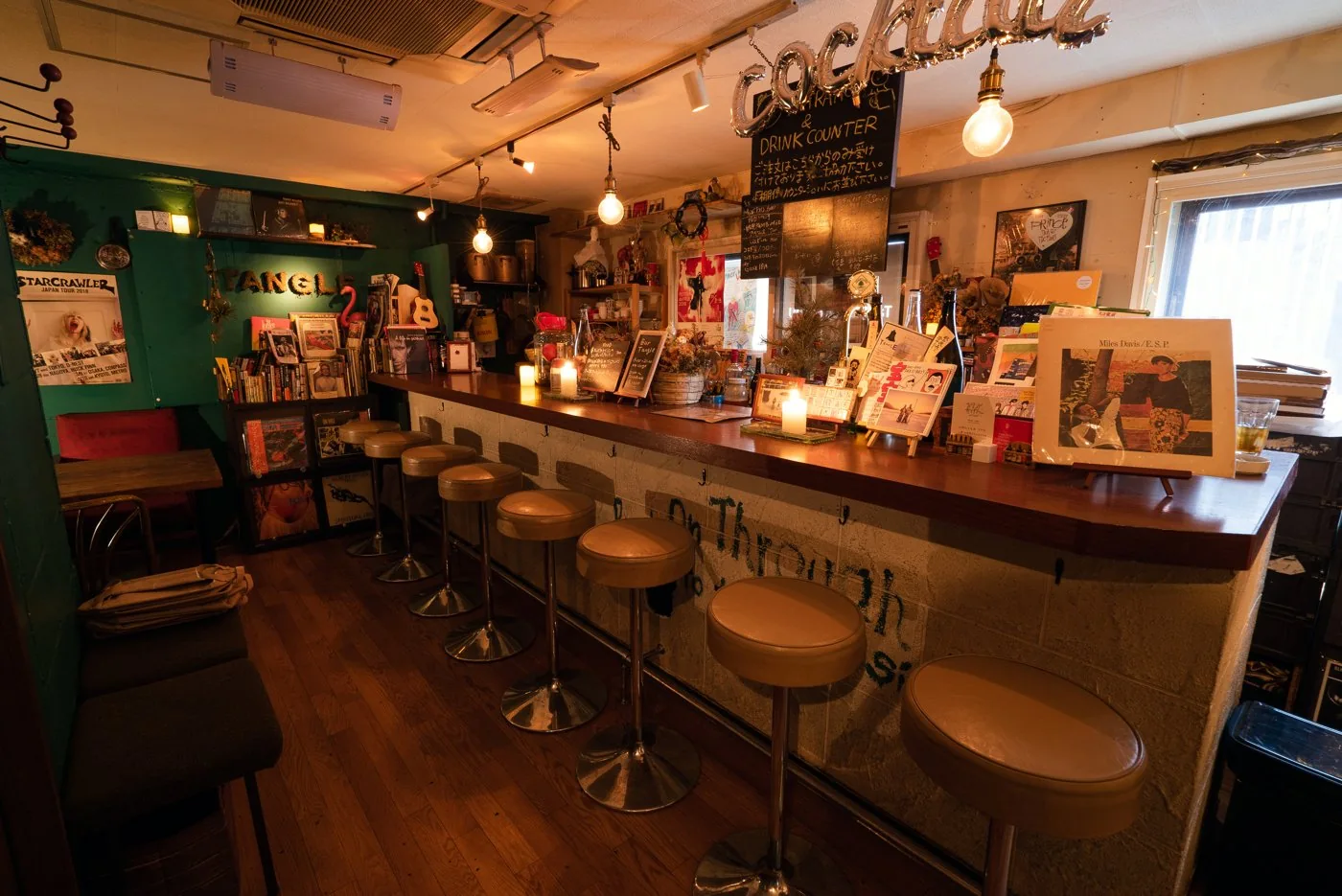
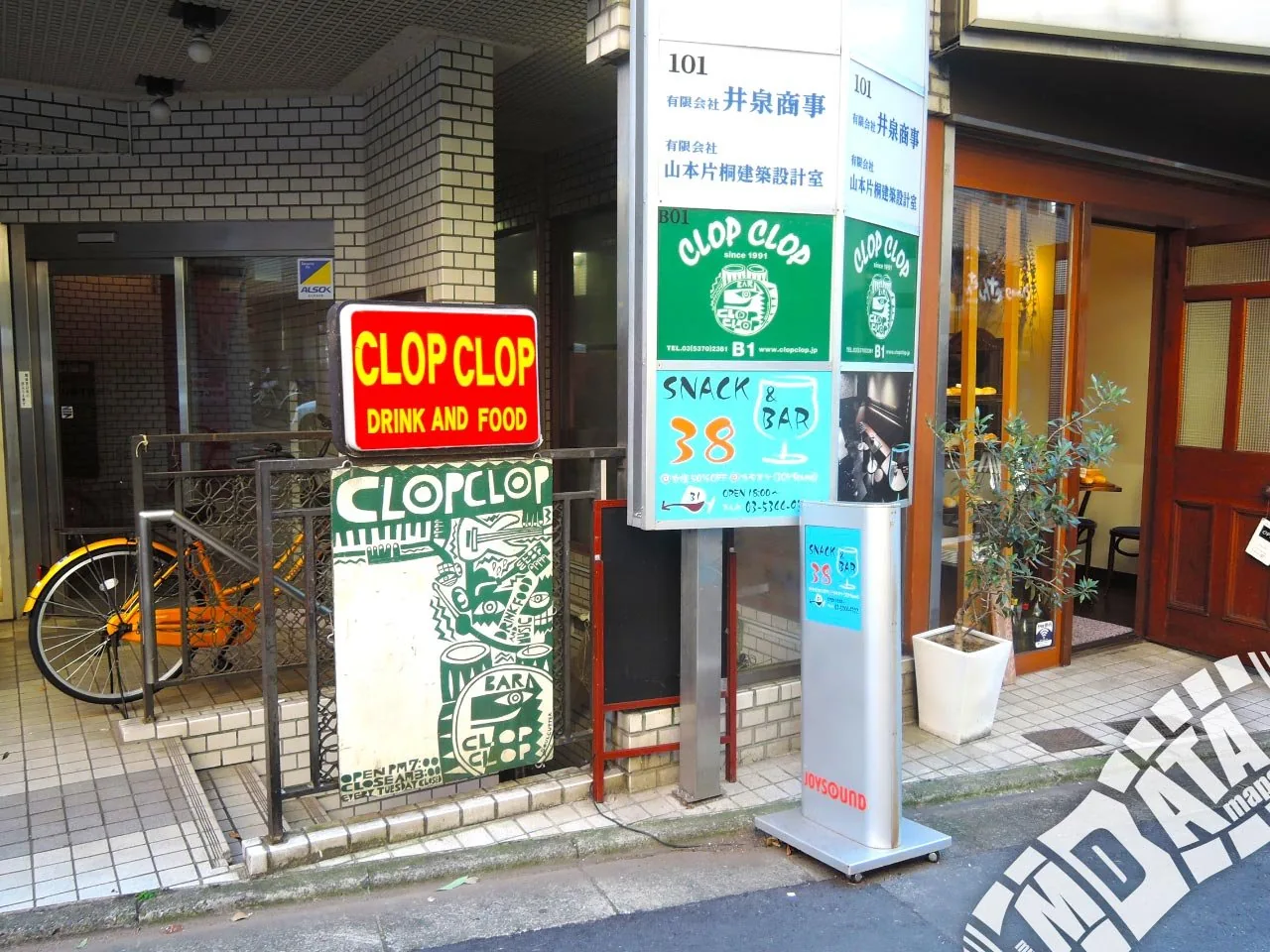
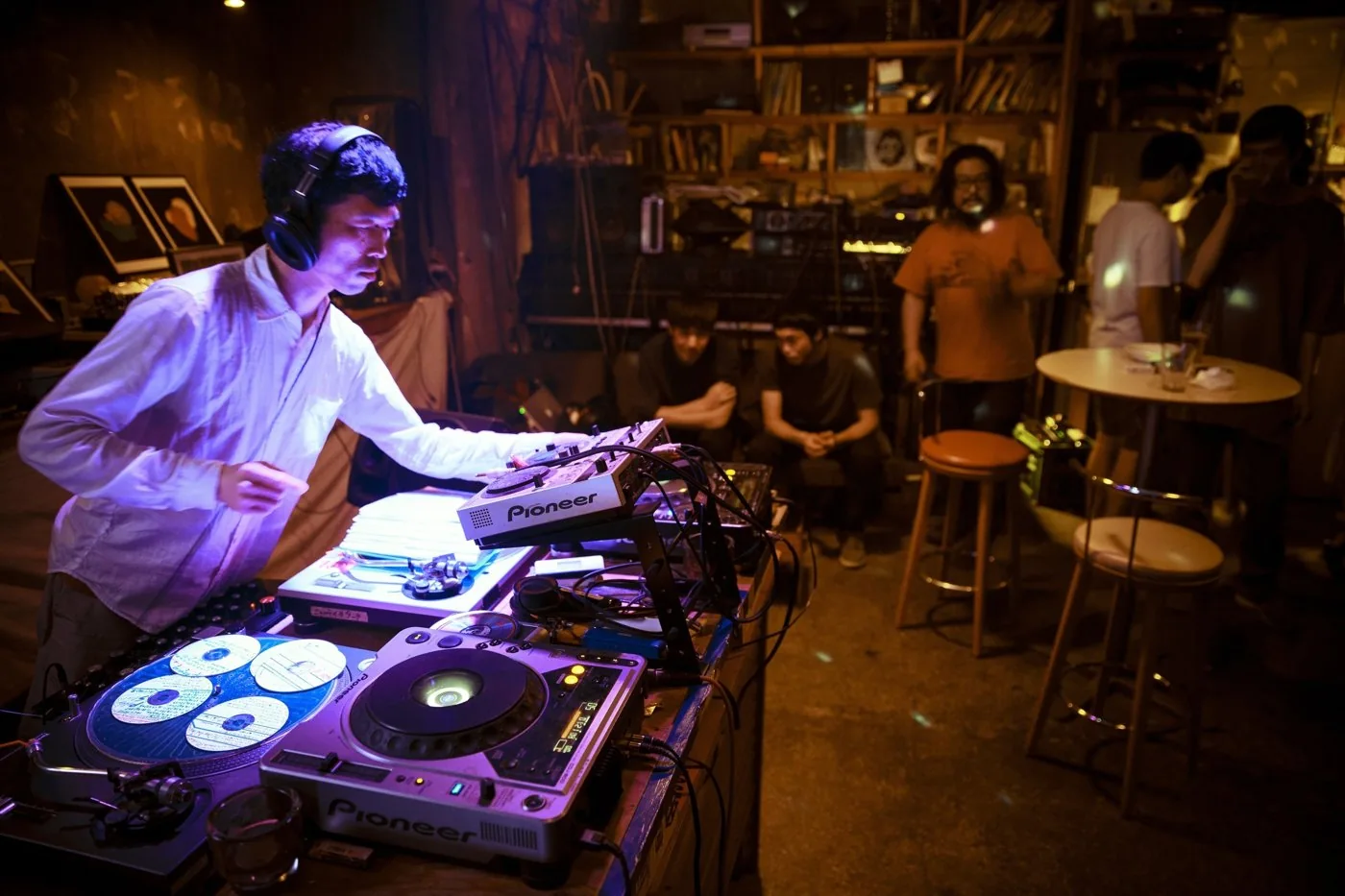
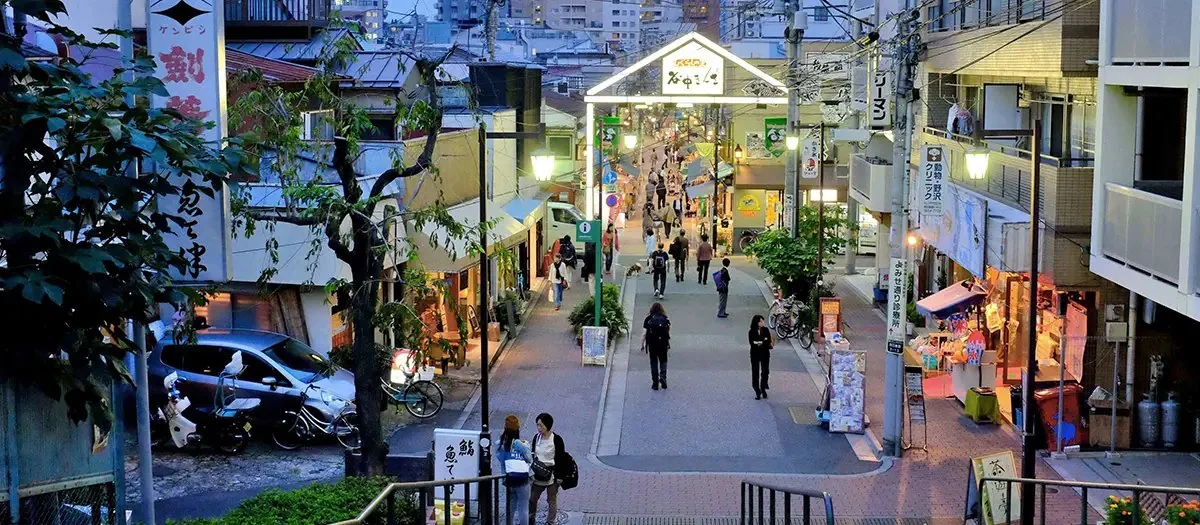
The places in Thom’s guide, with photographs and a little more to go on.
One day / Shimokitazawa, Yoyogi & Sangenjaya
Stay close. Look closer.
Start with coffee, secondhand shops and records in Shimokitazawa. Yoyogi is a daytime detour; Small World and space orbit take you south to Sangenjaya at night.
A small design hotel beside the former railway corridor. Its 60 rooms range from bunks to balcony rooms, with pared-back interiors by GENERAL DESIGN. The ground-floor coffee roaster makes it a useful base for exploring the neighborhood.
Compare room layouts before booking; the room types differ considerably.
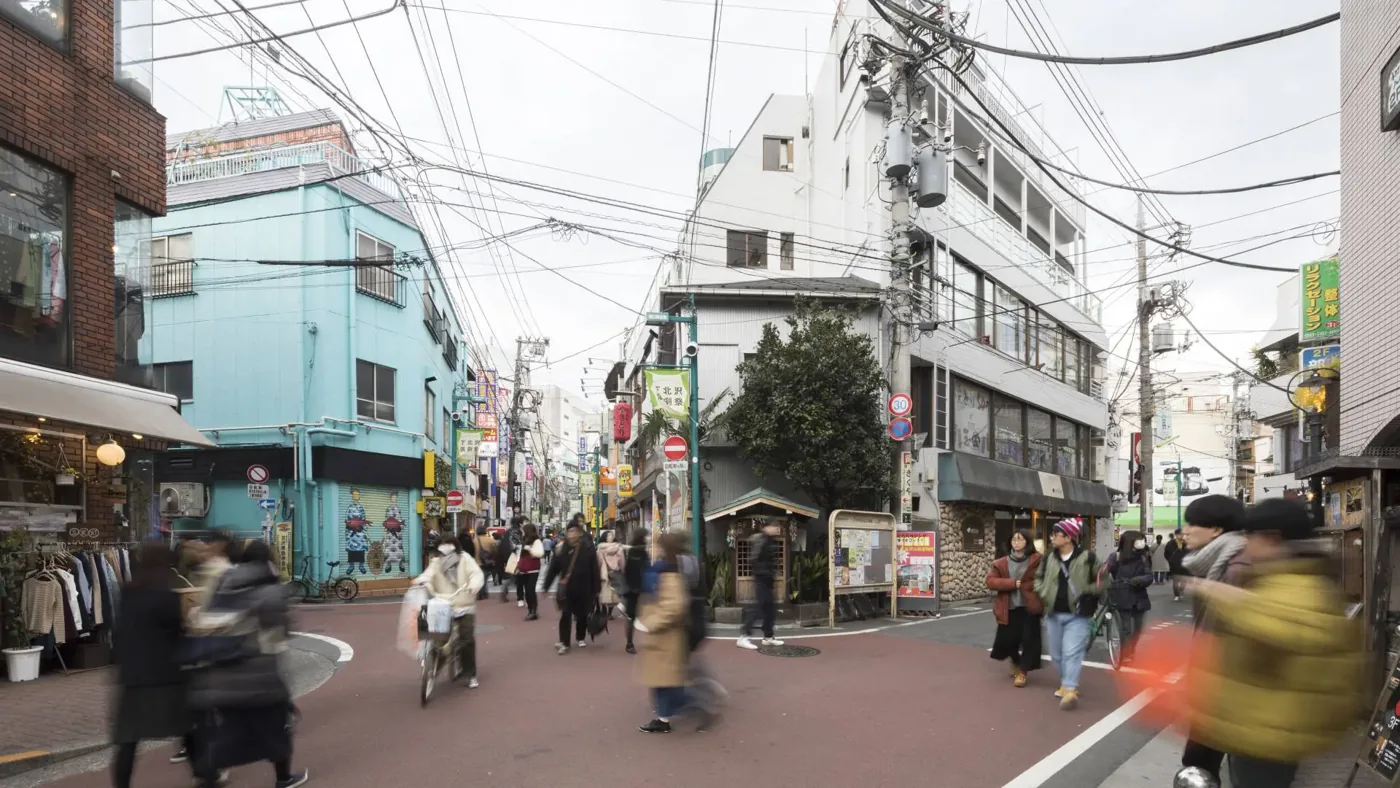
A compact neighborhood of independent theaters, secondhand clothes, records and cafés. The old railway land now contains open-air shopping spaces such as reload. Small lanes reward walking, while the Odakyu and Keio Inokashira lines connect the area to central Tokyo.
Plan most shop visits from lunchtime; keep mornings for coffee and walking.
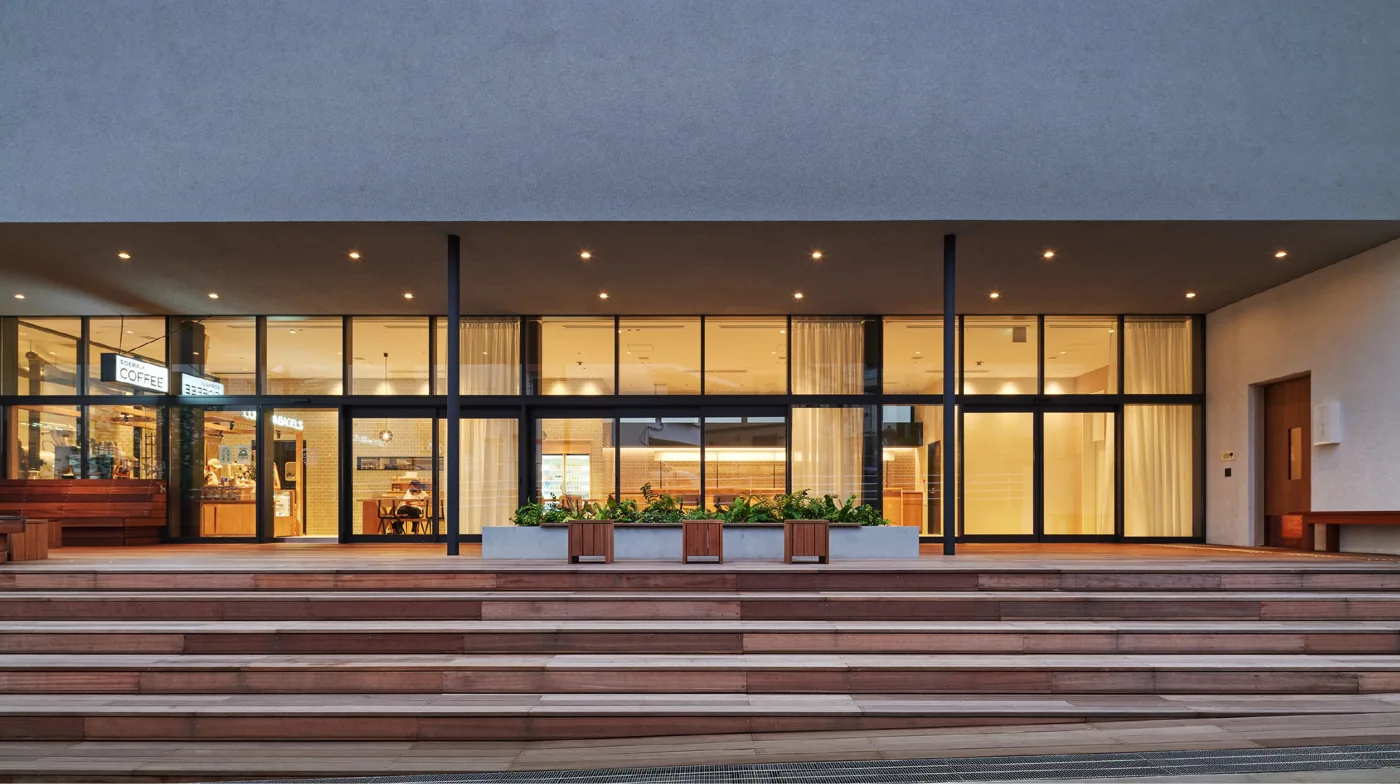
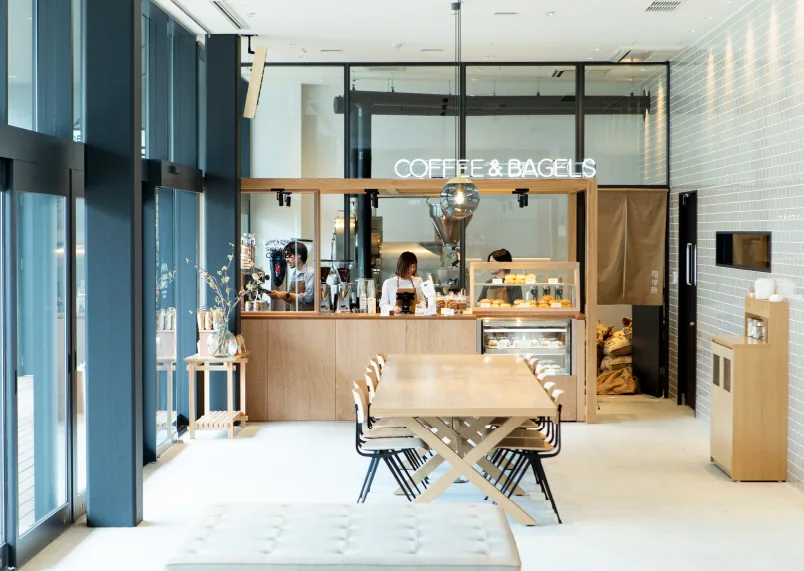
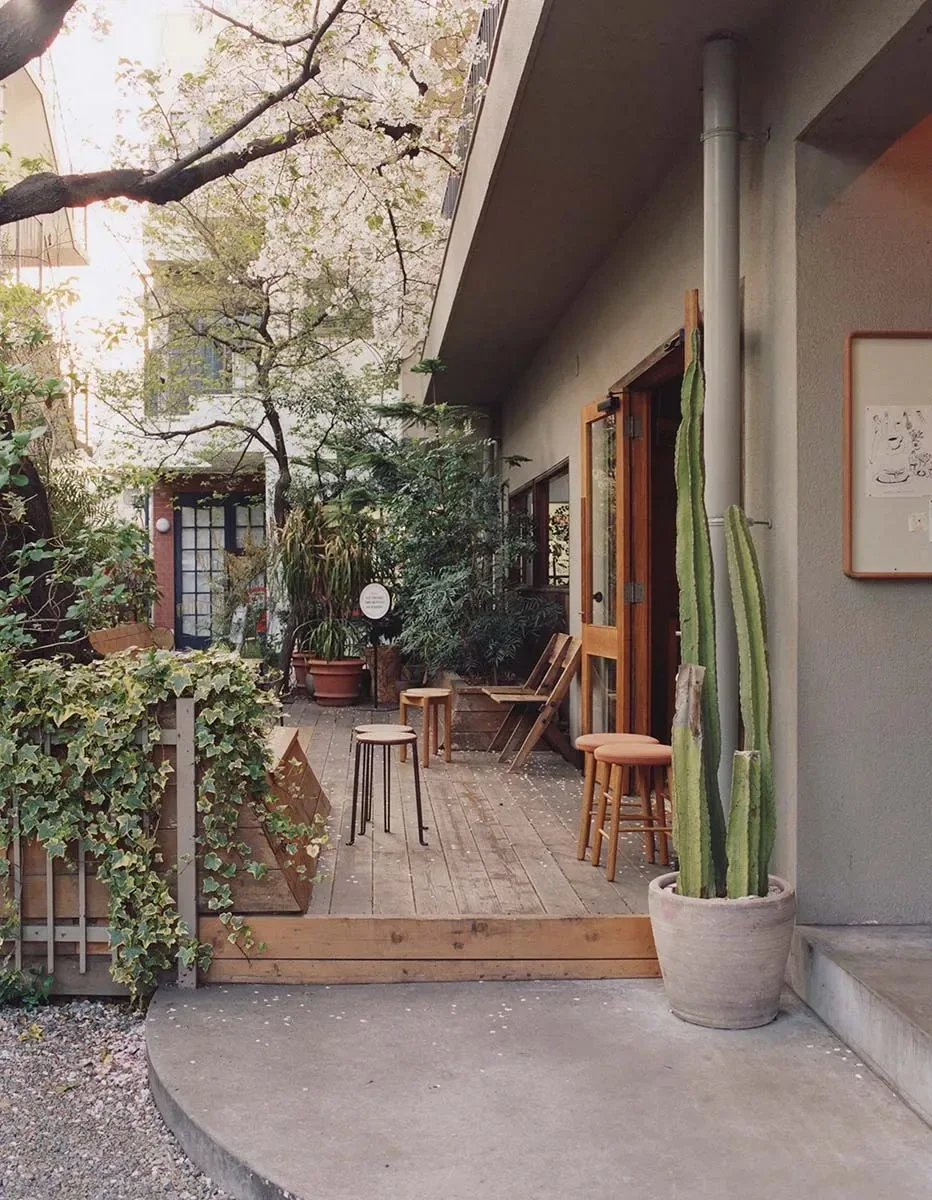
Inside Mustard Hotel, this roastery faces the former railway promenade with a generous wooden deck. Coffee is roasted on site, and naturally leavened bagels are baked each morning. Build a bagel sandwich before the neighborhood shops open.
The hotel currently lists opening at 7am; check before an early visit.
PostCoffee Offline Store in Shimokitazawa PostCoffee ↗
Coffee · Shimokitazawa
PostCoffee Offline Store
The physical flagship of the coffee subscription company brings beans from a wide selection of roasters into one shop. Browse single-origin coffee to take home, or order a cup in the café at 2-28-2 Kitazawa.
The official listing currently shows daily opening from 9am.
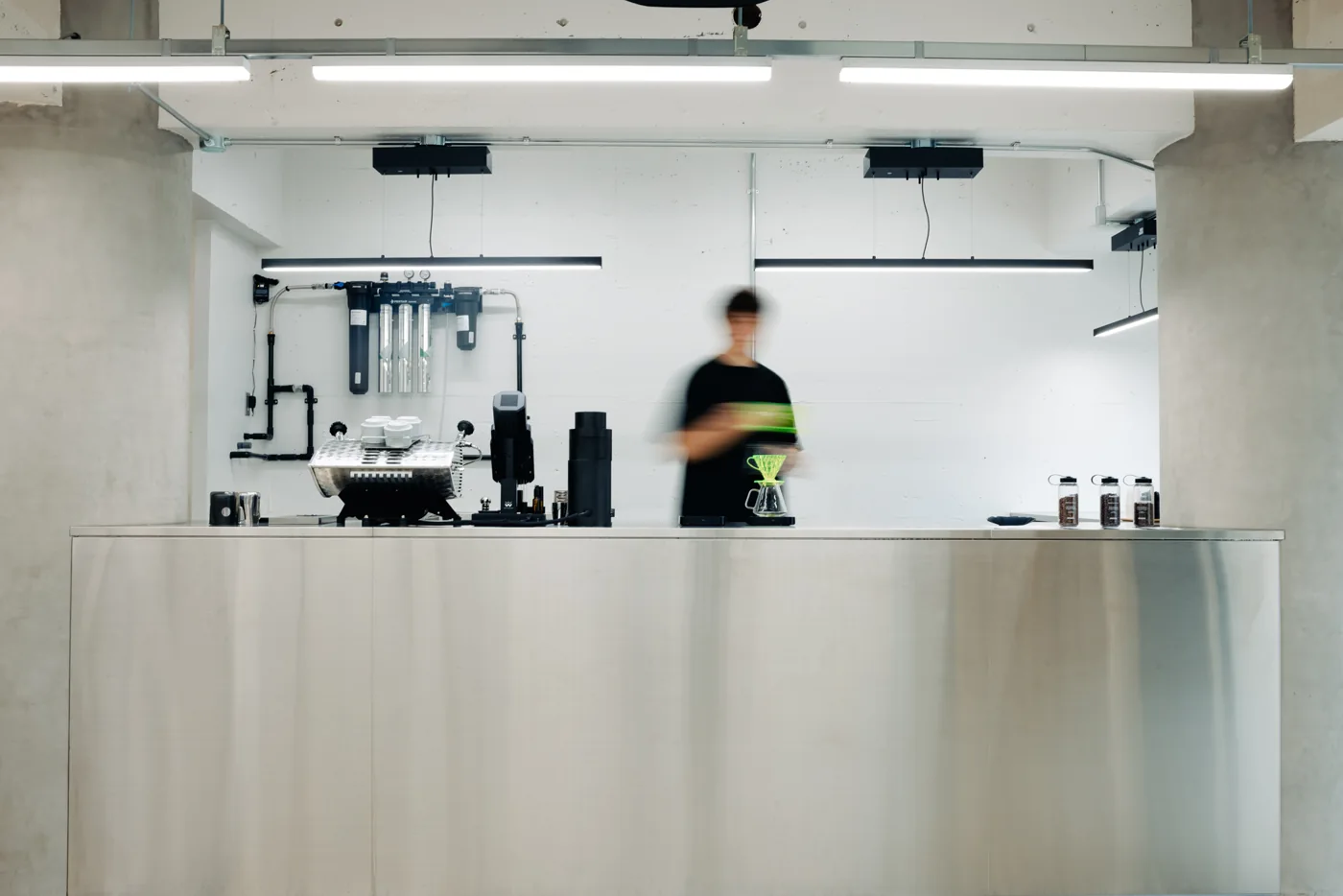
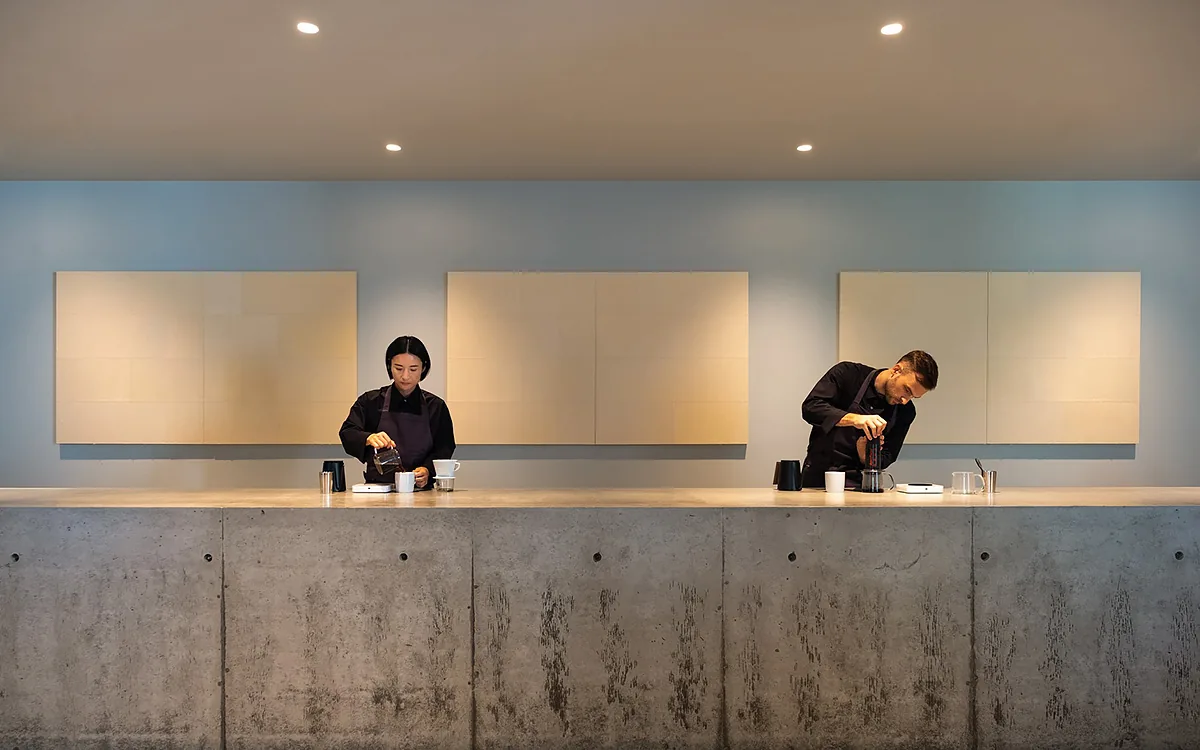
Baristas working at the concrete counter at Ogawa Coffee Laboratory Shimokitazawa Ogawa Coffee ↗
Coffee · Shimokitazawa
OGAWA COFFEE LABORATORY
This reload coffee bar is built around tasting and experimentation. Choose beans, compare brewing methods, or explore equipment with a barista. The shop stocks around 40 tools and lets customers try roasting, grinding and brewing as part of its coffee experience.
Ask the barista about tasting and equipment experiences; some carry an extra charge.
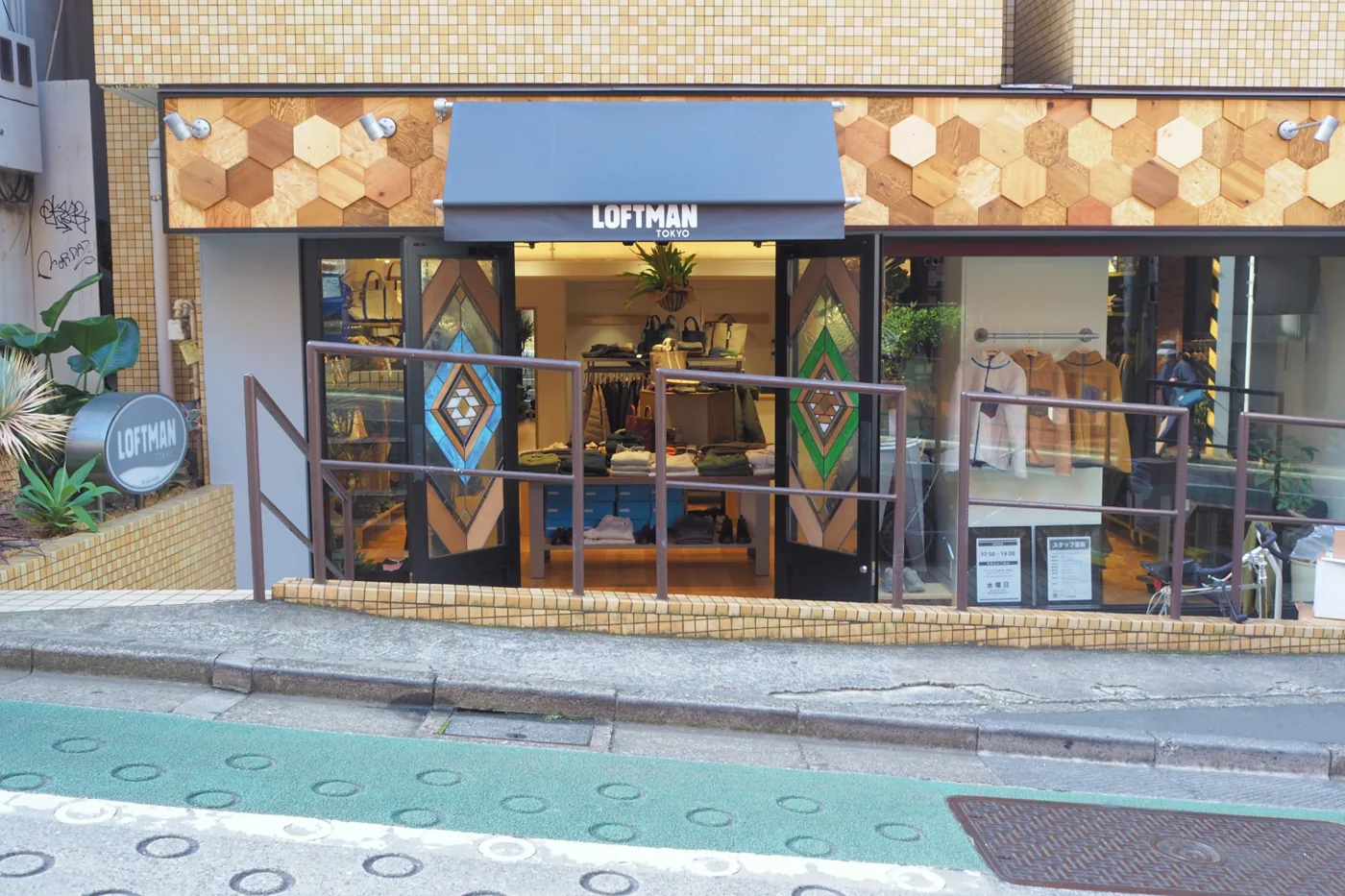
LOFTMAN TOKYO storefront with wooden geometric doors ACT LOCALLY ↗
Shopping · Yoyogi-Uehara
LOFTMAN TOKYO
The Tokyo outpost of the Kyoto clothing retailer sits beside Yoyogi-Uehara Station. Its seasonal selection brings Japanese labels, outdoor clothing and everyday staples together in a small neighborhood shop. The decorative wooden entrance is an easy landmark to spot.
The official page currently lists noon opening on weekdays and 11am on weekends.
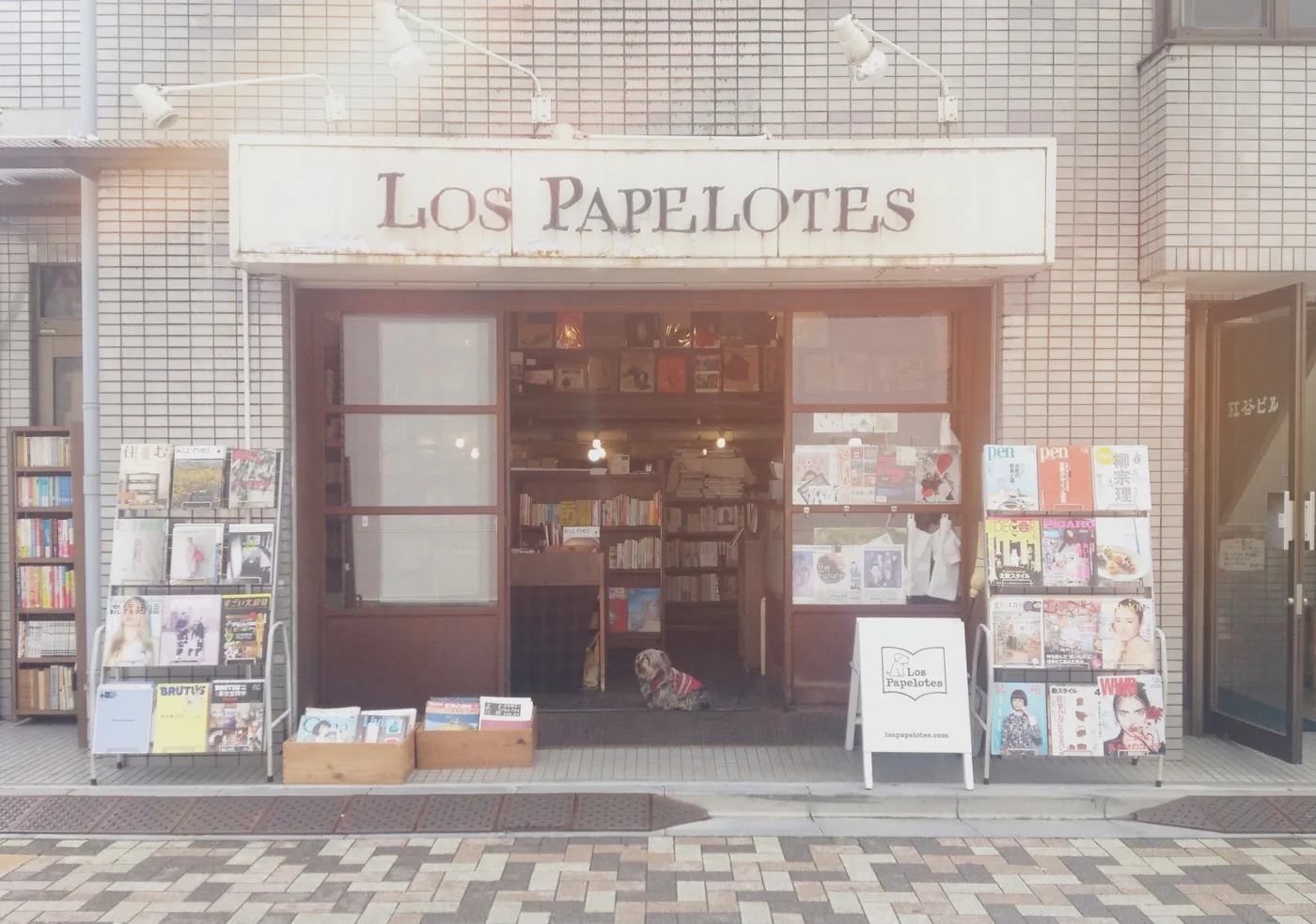
Historical exterior photo of Los Papelotes with books displayed outside Time Out Tokyo ↗
Books · Yoyogi-Uehara
Los Papelotes
A used bookstore close to Yoyogi-Uehara Station, with fiction, philosophy, photography, art books and magazines. Wooden shelves and low-key displays make browsing the point of a visit. Visual books and magazine back issues offer plenty to explore across languages.
Check the current map listing for hours before making a dedicated trip.
Photo is from an older venue listing; the current official website could not be verified.
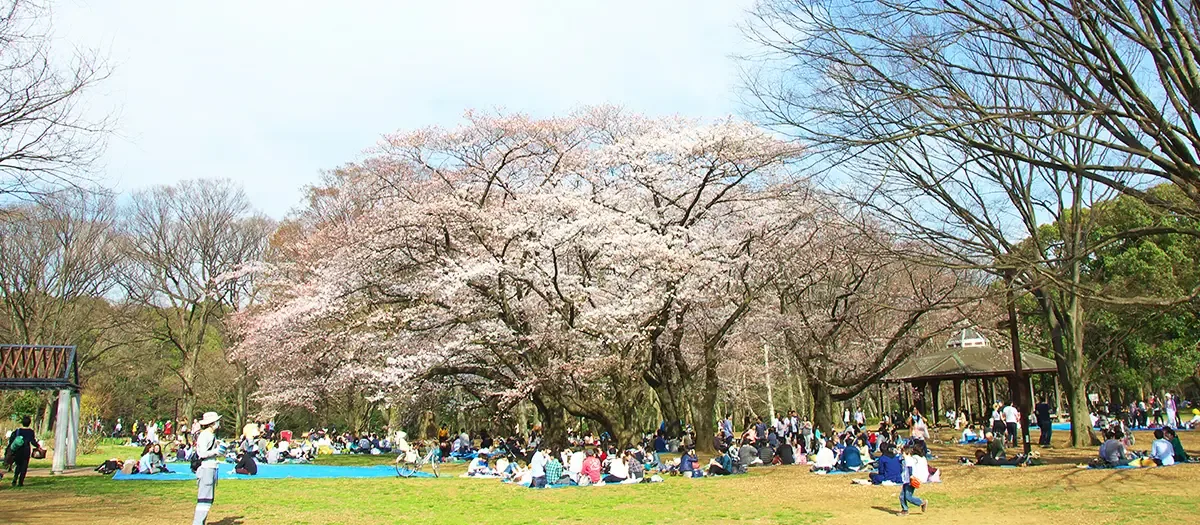
Wide lawns, trees and walking paths make this a practical pause between neighborhoods. Locals picnic, exercise and meet friends here. It borders Meiji Jingu but is a separate public park, with access from Harajuku and Yoyogi-Koen stations.
Use the official park map to choose an entrance; the park covers a large area.
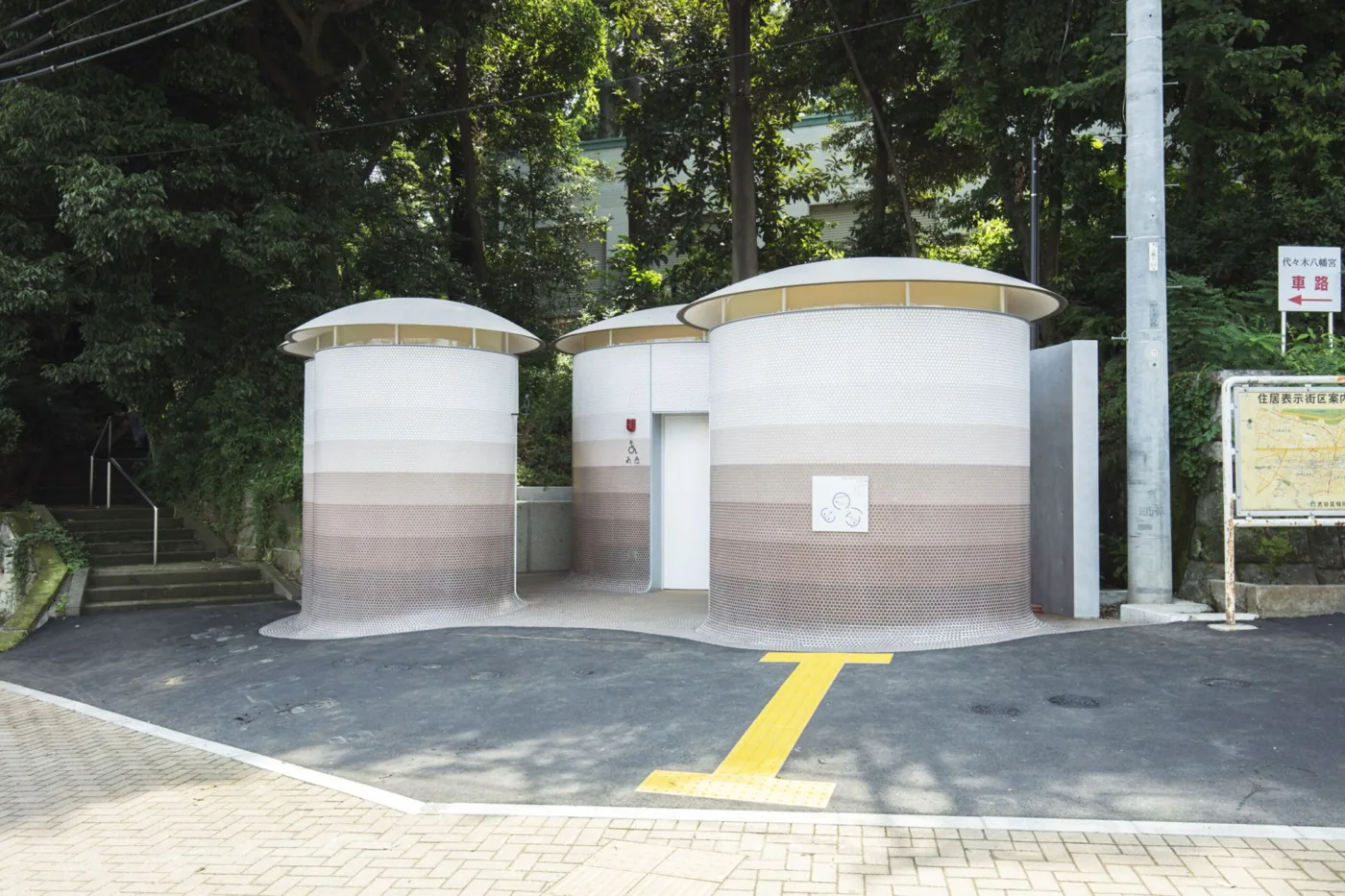
Seventeen public toilets across Shibuya were redesigned by sixteen architects and creators. The project links accessible public facilities with ambitious small-scale architecture. Its official map identifies each design, including several around Yoyogi featured in the world of Perfect Days.
Use the project map to choose a stop, and keep access clear for people using the facilities.
Thom does not name the toilet he passed. This image shows a project example, not a confirmed identification of his stop.
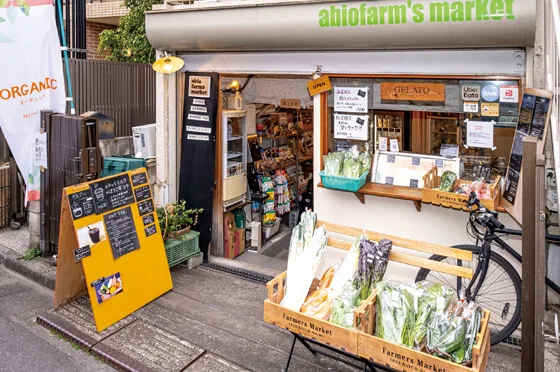
ABioFarm’s Market storefront with vegetables and takeaway counter Odakyu Voice ↗
Food · Tomigaya / Yoyogi-Hachiman
ABioFarm’s Market
A small organic grocery and deli near Yoyogi Park, selling vegetables, pantry staples and prepared food. Takeaway lunches make it useful for a park picnic, while coffee and gelato suit a shorter stop. The compact storefront opens directly onto the street.
Check the day’s prepared dishes at the counter; organic does not necessarily mean vegan.
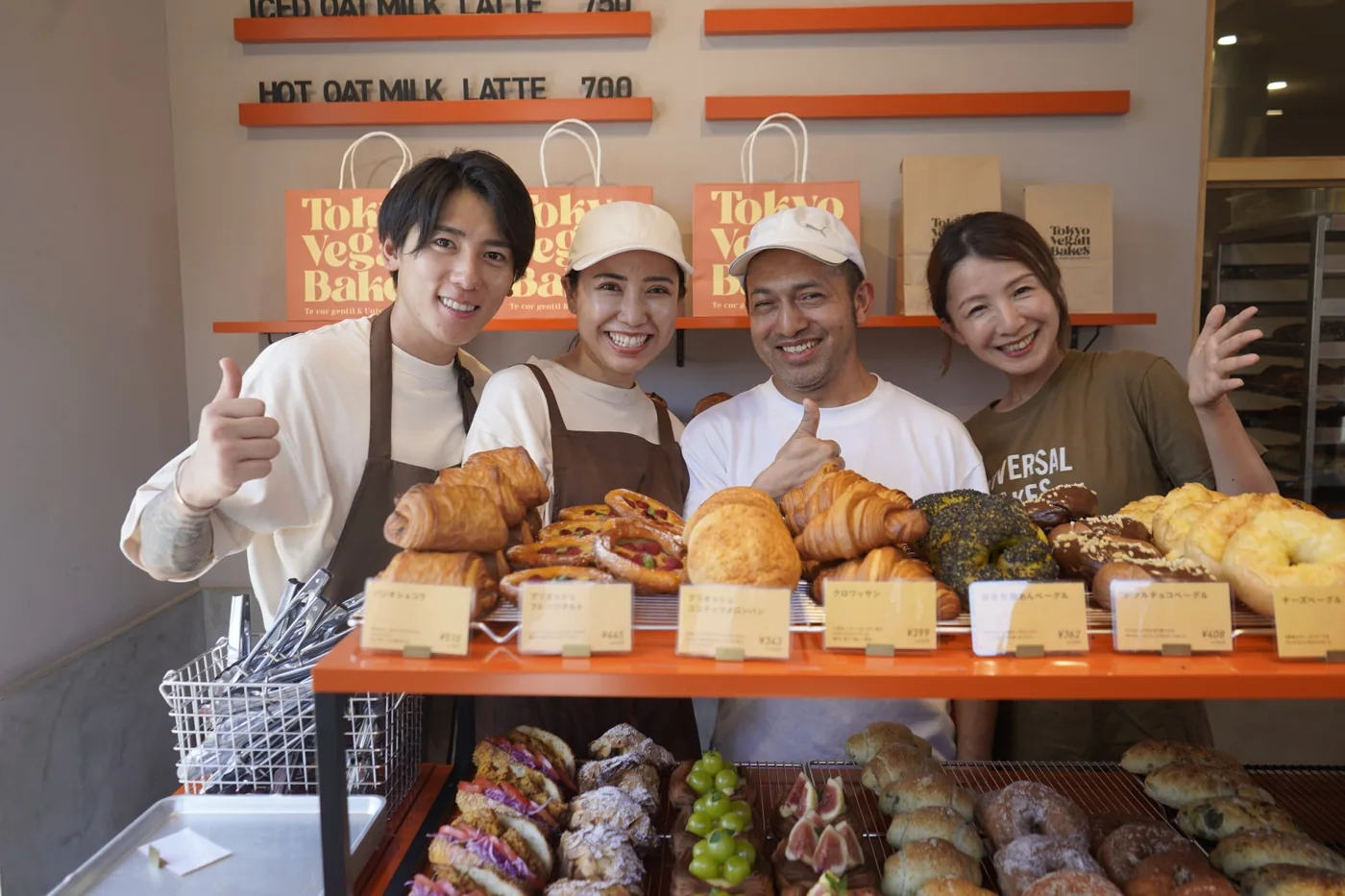
A fully plant-based bakery in reload, launched in August 2025 through a collaboration between Te cor gentil and Universal Bakes. Its breads and pastries avoid eggs, dairy and other animal ingredients. Expect both sweet baking and savory choices rather than only desserts.
Choose from the day’s counter selection; individual breads and curry pan are not guaranteed.
FORESTIÈRE exterior on the upper level of reload Shimofuru ↗
Shopping · Shimokitazawa
FORESTIÈRE
A vintage and import clothing shop on reload’s second floor. The selection combines European and American vintage with contemporary labels, emphasizing fabric, craft and lasting quality. Menswear anchors the range, alongside women’s and unisex pieces.
Find room 2-4 upstairs in reload; check the online store for an idea of the selection.
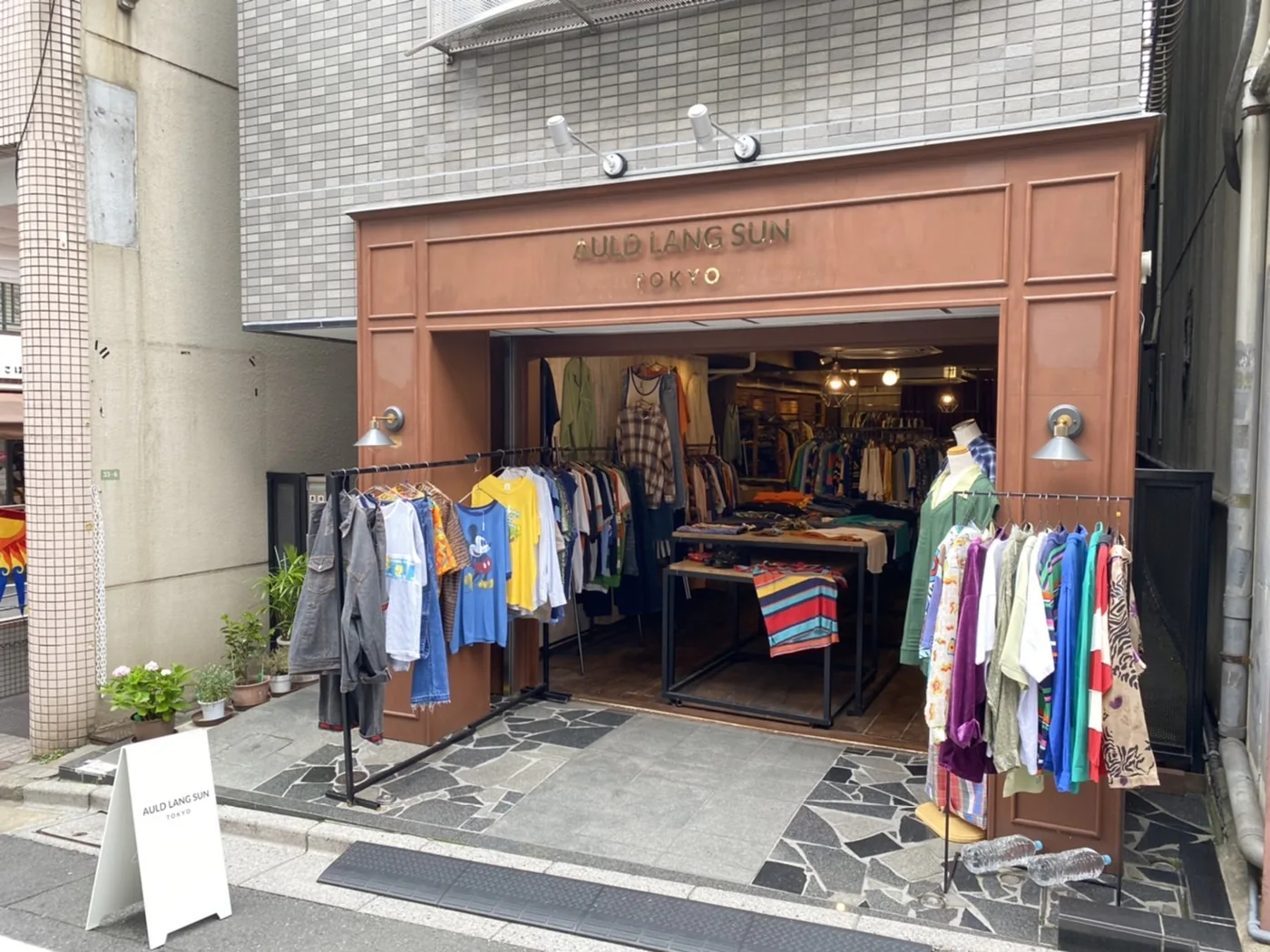
AULD LANG SUN storefront with clothing racks outside Shimofuru ↗
Shopping · Shimokitazawa
AULD LANG SUN
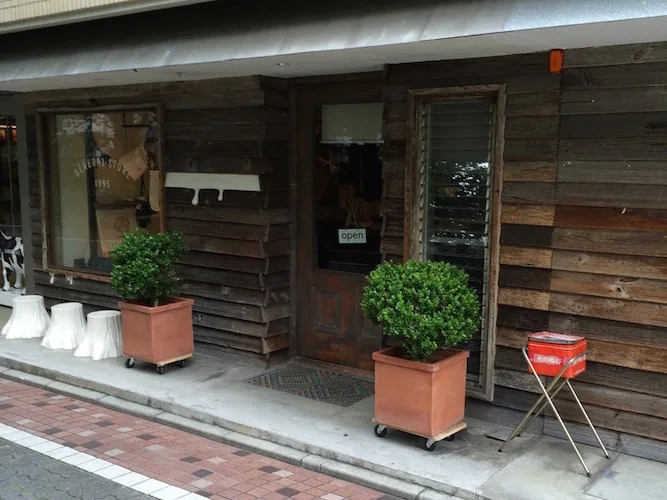
A vintage clothing shop with American and European pieces selected for their shapes, colors and details. The range crosses men’s and women’s clothing, mixing relaxed everyday garments with expressive cuts. Look for the warm brown storefront on the north side of the neighborhood.
Try pieces on: vintage sizing and condition vary, and stock changes continually.
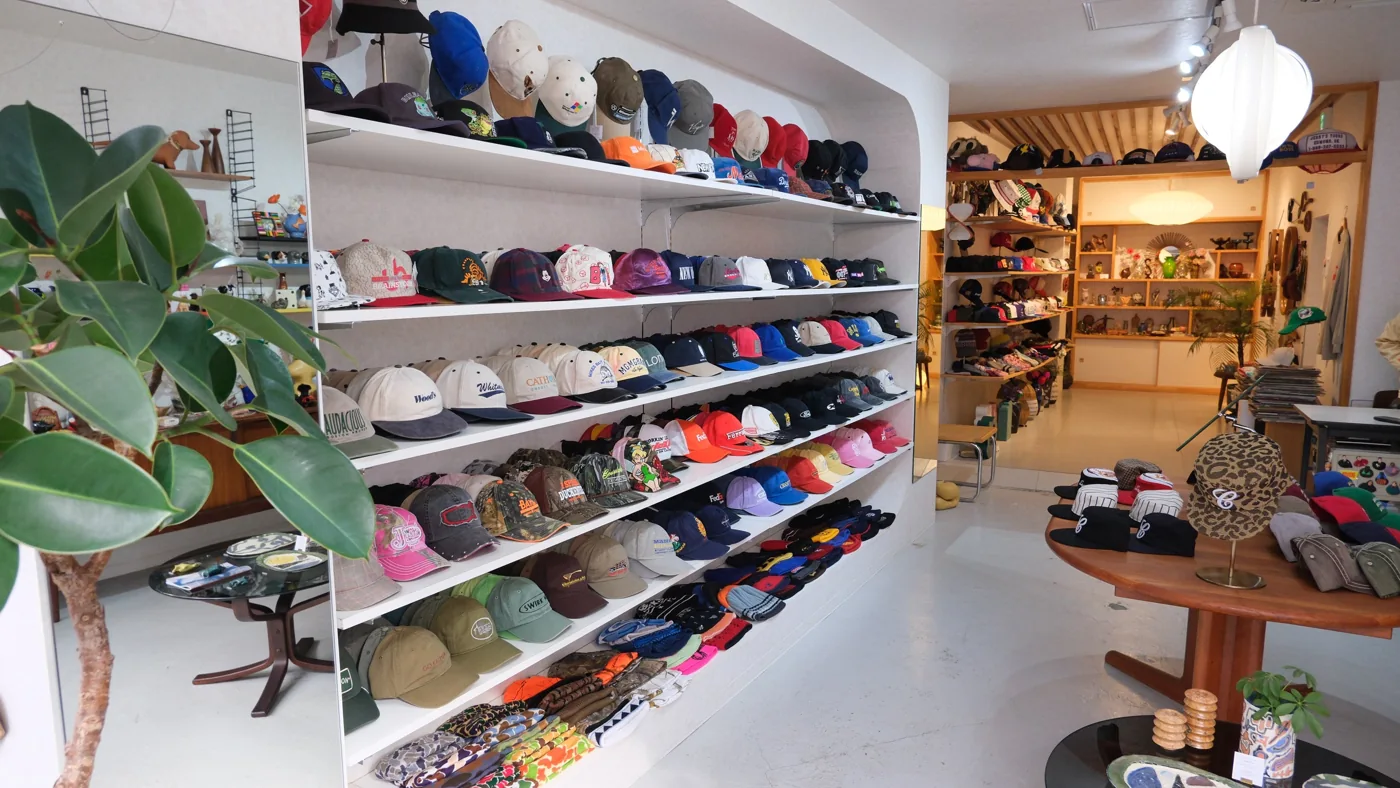
Interior of sowhat vintage with cap shelves and a display of vases sowhat vintage ↗
Shopping · Shimokitazawa / Daizawa
sowhat vintage
This specialist shop pairs hats with vintage vases and objects. Rows of caps fill one side, while glass and ceramic pieces make the other feel like a small gallery. Its own headwear lines sit alongside vintage and used finds.
Contact the shop a day ahead to see a specific online item; some stock stays in its warehouse.
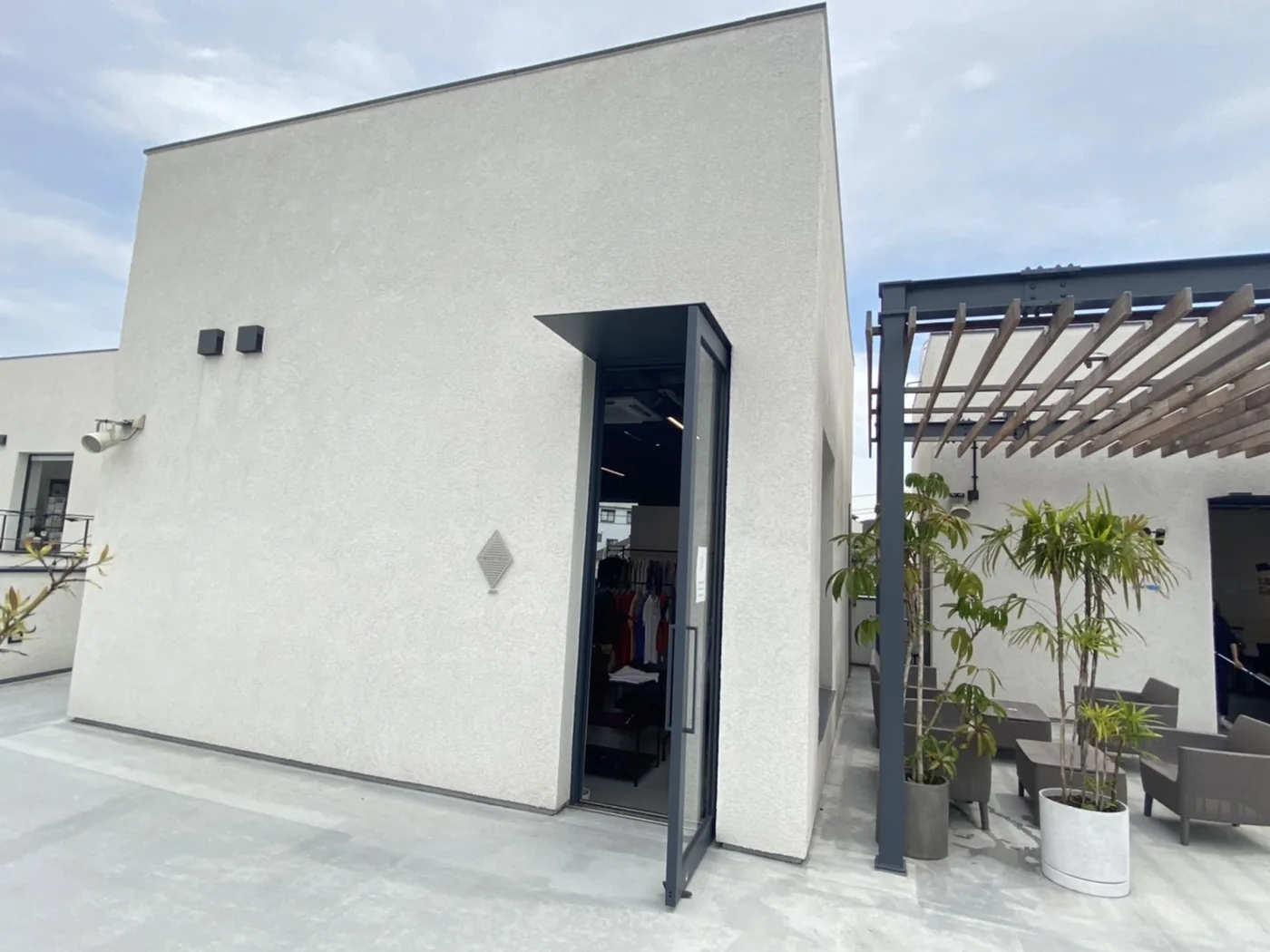
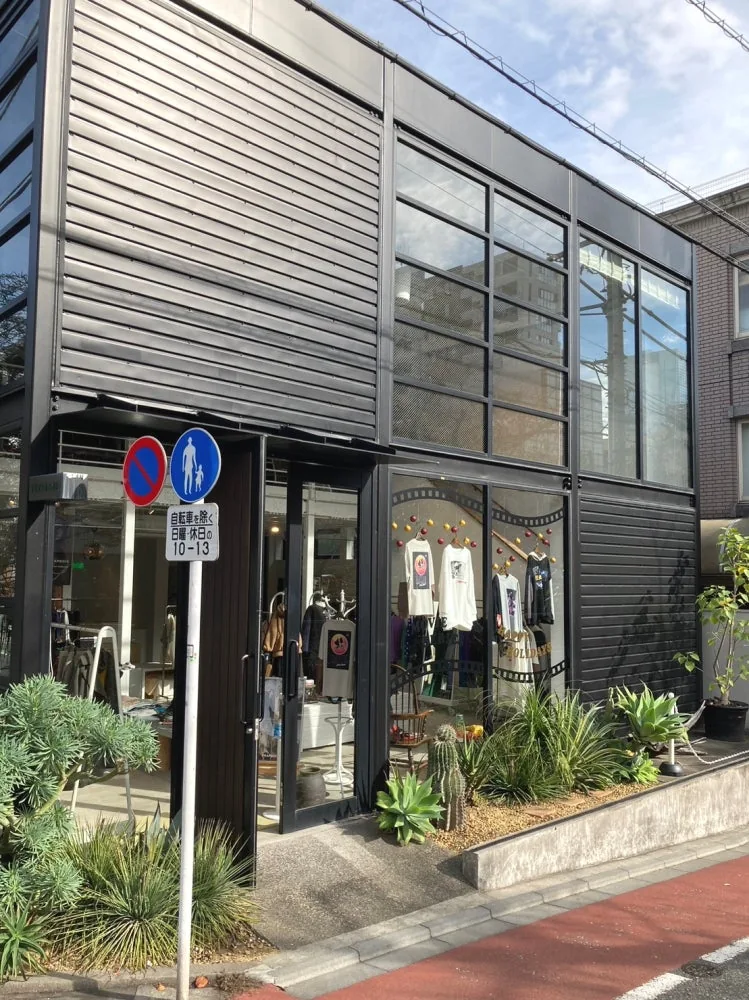
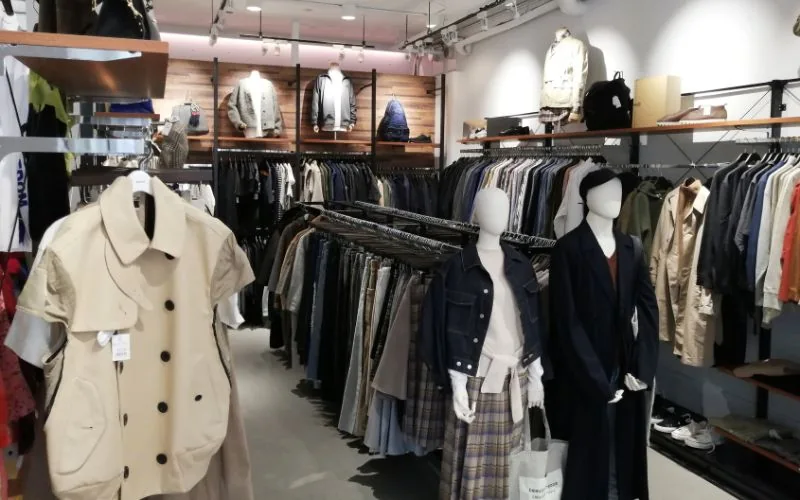
A menswear flagship from Baycrews, opened in 2024 with a mix of Japanese and international labels. It focuses on contemporary casual clothing and streetwear, with collaborations and occasional pop-ups. The glass-fronted shop offers a useful contrast to the surrounding vintage stores.
Check the brand’s store page for current hours and event announcements.
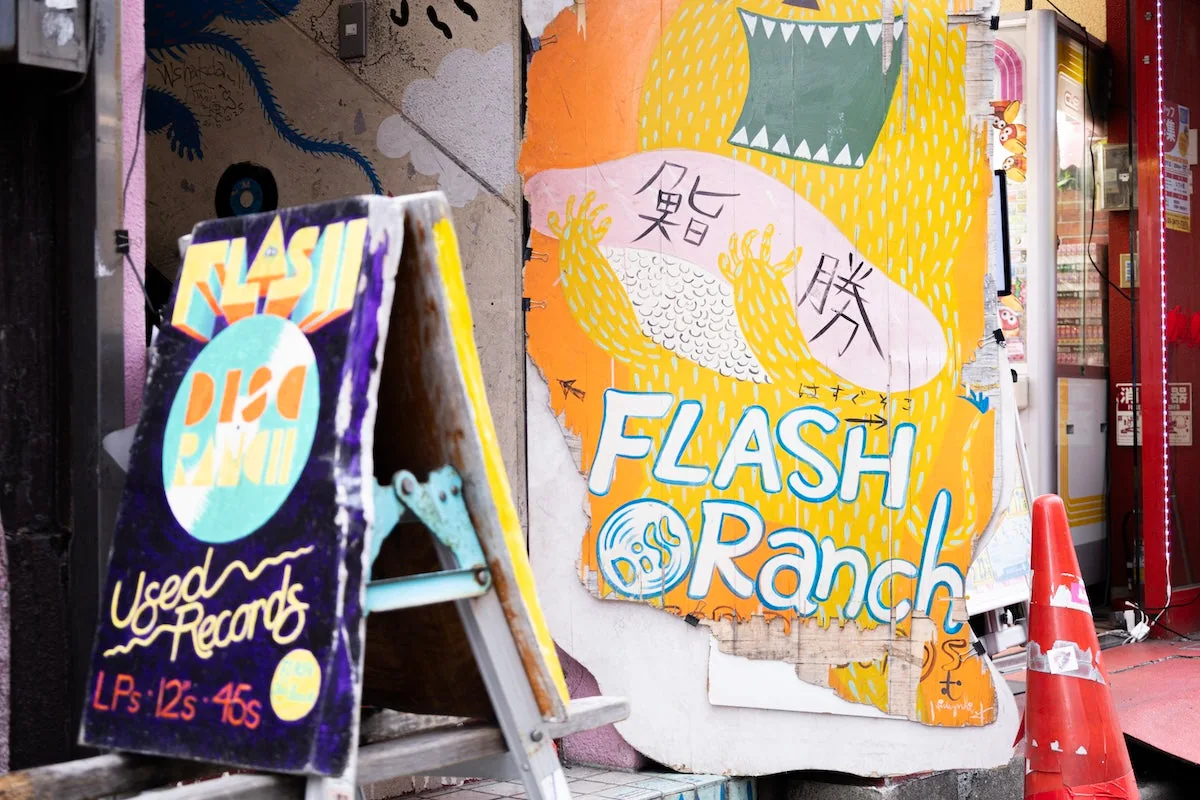
Hand-painted entrance and record sign at Flash Disc Ranch ELLA Records ↗
Music · Shimokitazawa
Flash Disc Ranch
A neighborhood record institution founded in 1982 by Masao Tsubaki. Its hand-painted entrance leads into dense racks of used records, handwritten signs and artwork. Expect a shop for unhurried digging, with a broad selection rather than a polished showroom.
Ask before taking photos, and allow time to browse the racks.
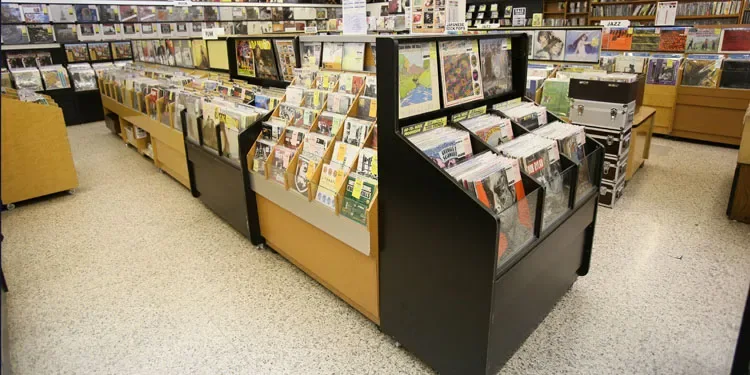
Record bins inside Disk Union Shimokitazawa Disk Union ↗
Music · Shimokitazawa
Disk Union Shimokitazawa
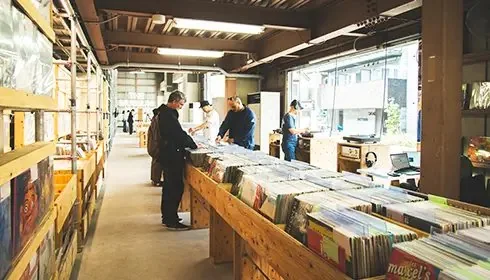
A substantial record and CD shop with an adjoining specialist club-music selection at the same Kitazawa address. Browse across genres in the general store, then focus on hip-hop, house, techno and R&B in the dedicated section.
The official listings show noon opening on weekdays and 11am on weekends; confirm before visiting.
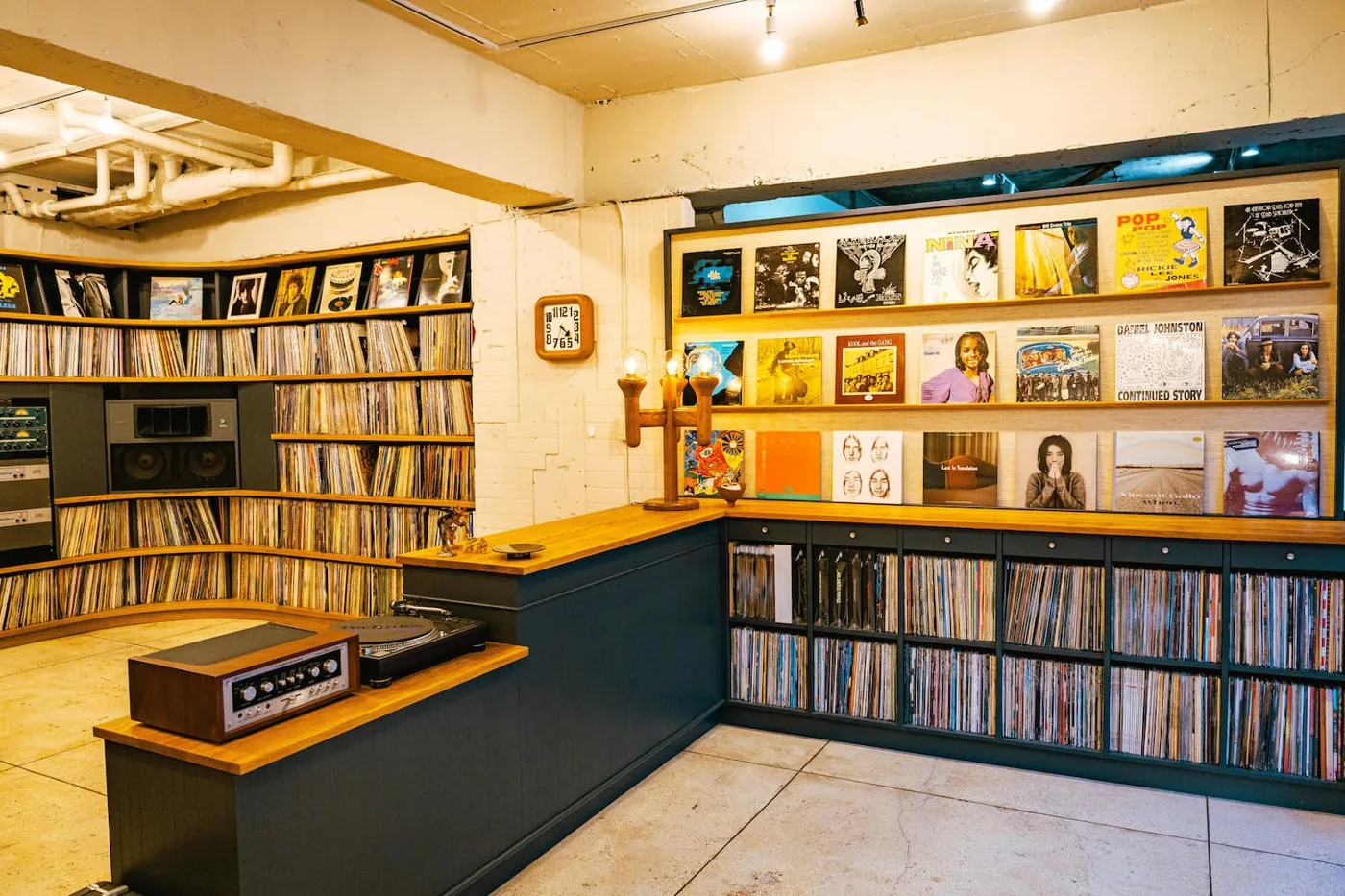
Wooden record shelves and listening equipment in ELLA Records Vintage showroom ELLA Records ↗
Music · Shimokitazawa
ELLA RECORDS VINTAGE
An appointment-only showroom where you can inspect records from ELLA’s online stock before buying. Book a time and identify up to five items in advance. It suits collectors seeking particular pressings and is separate from the walk-in Nishihara shop.
Reserve through the official page and provide item numbers. Purchases at the showroom require a credit card.
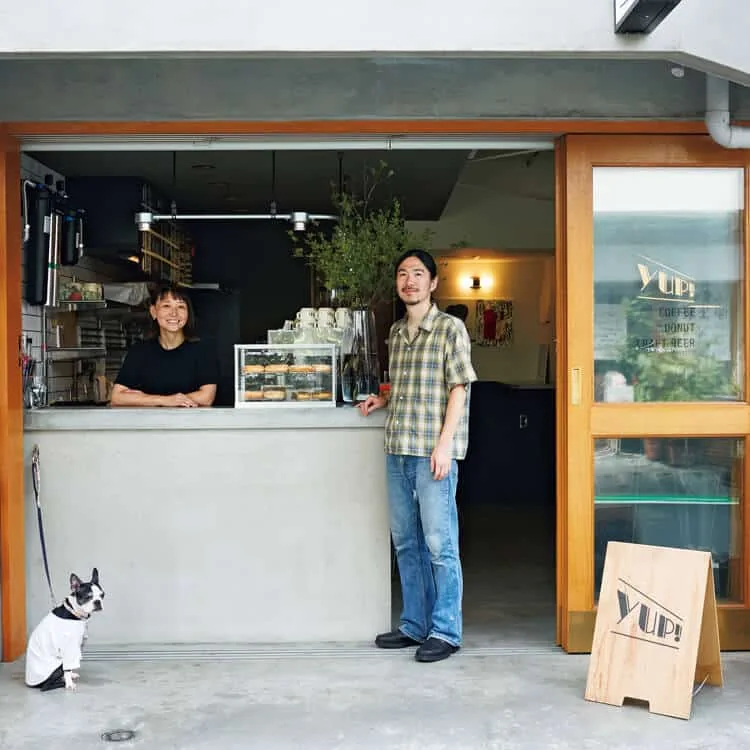
A small counter café near Ikenoue Station that combines homemade doughnuts, specialty coffee and craft beer. The owners bring separate coffee and baking experience to an unusual pairing: sweet, spiced doughnuts alongside a changing beer selection.
Check the shop’s Instagram for opening times and the day’s doughnuts before visiting.
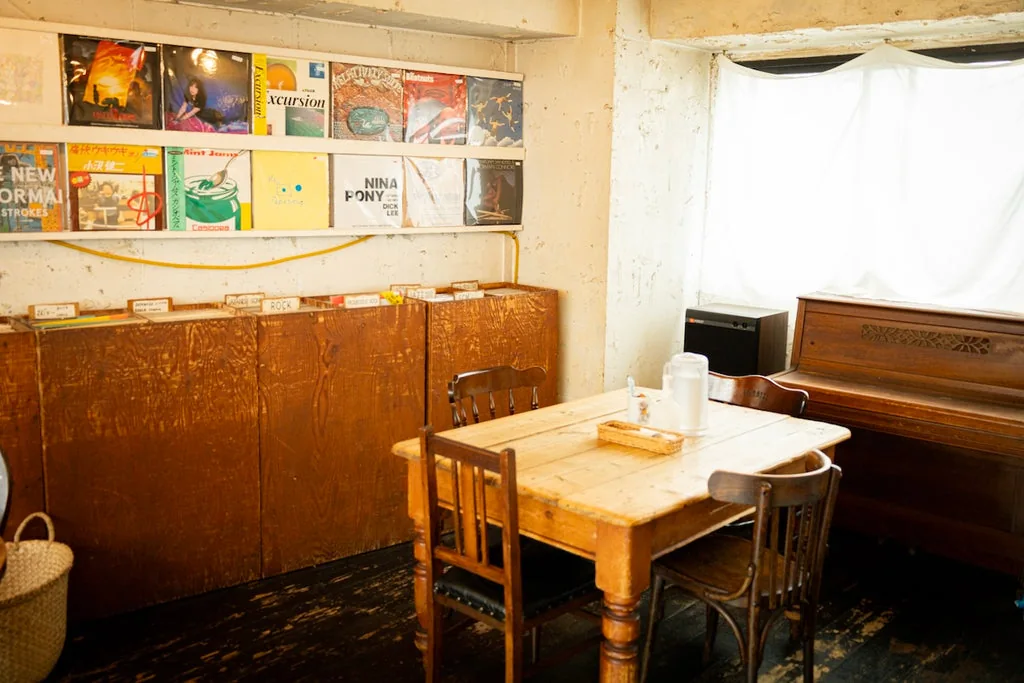
Wooden café table, piano and record bins inside CITY COUNTRY CITY ELLA Records ↗
Food · Shimokitazawa
CITY COUNTRY CITY
A fourth-floor café and record shop opened in 2007 by musician Keiichi Sokabe and DJ-turned-manager Hirata. Pasta anchors the café menu, while the record selection stretches from classic rock to dance music. Wooden furniture and record sleeves fill the intimate room.
Look for the fourth-floor sign at 2-12-13 Kitazawa; check the current menu before dinner.
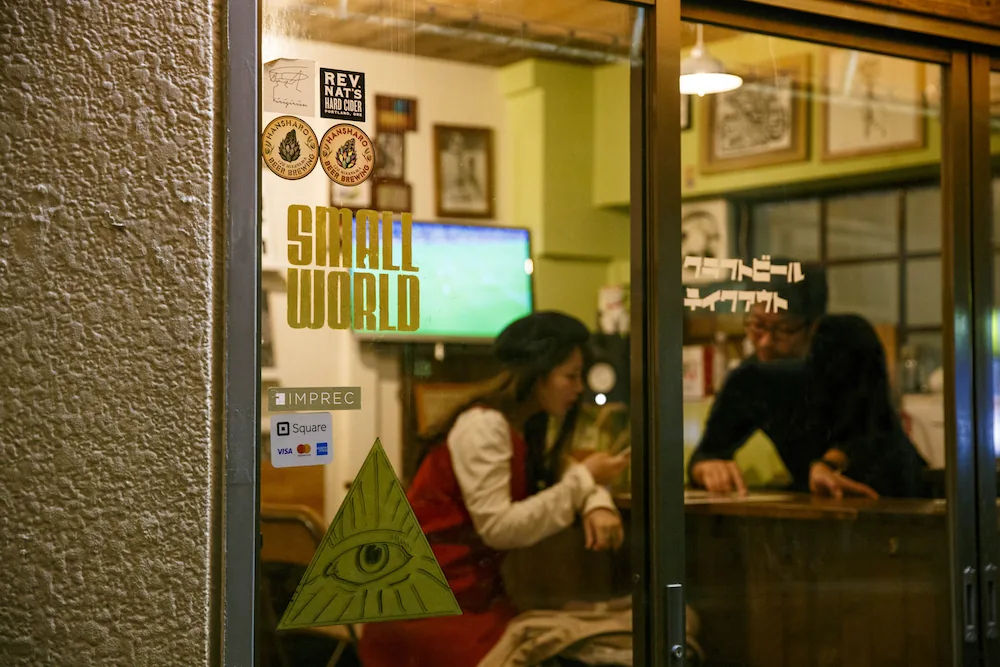
Small World’s window looking into its intimate bar Time Out Tokyo ↗
Music · Taishido / Sangenjaya
Small World
A tiny record shop and craft-beer bar between Shimokitazawa and Sangenjaya. The selection leans toward independent and underground music, from electronic releases to rock. Its small counter makes it a place to listen, browse and chat over a drink.
Plan for a very small venue and verify opening times on the map before walking south.
The mapped venue is in Taishido, nearer Sangenjaya than central Shimokitazawa.
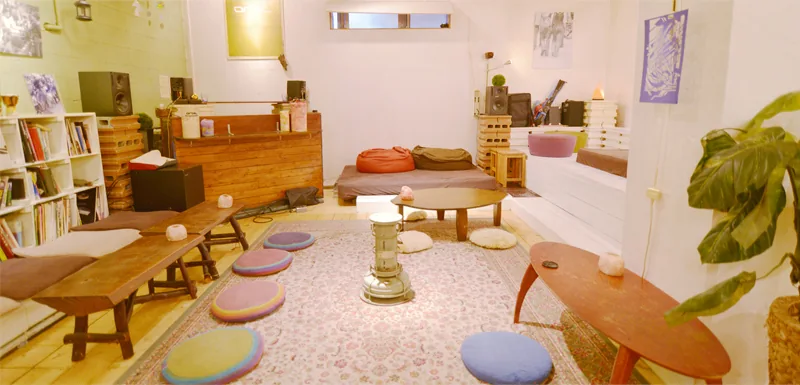
Low tables, cushions, records and art inside space orbit Time Out Tokyo ↗
Art · Taishido / Sangenjaya
space orbit
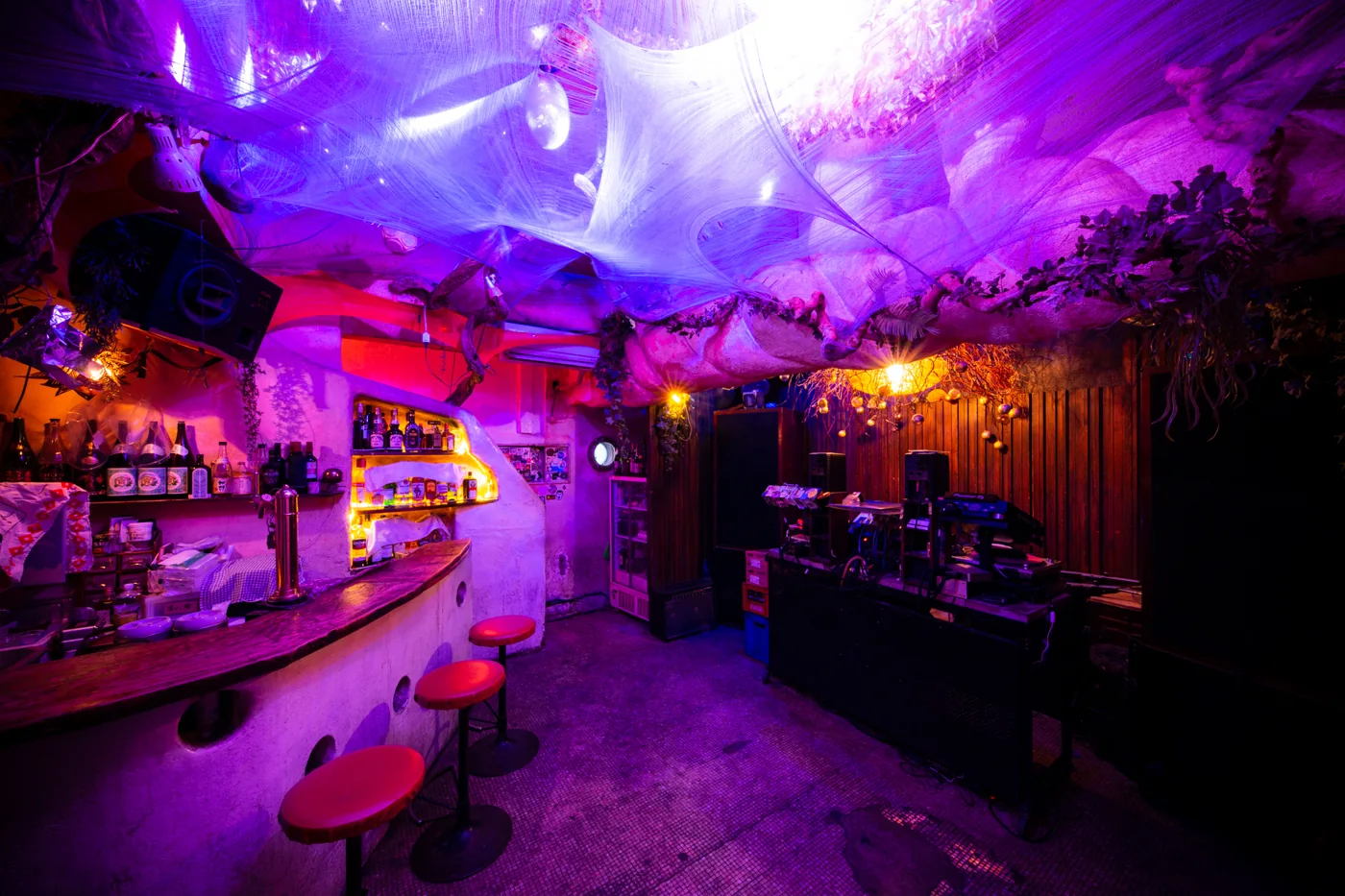
A basement art and music space operating in Sangenjaya since 2003. Low seating, exhibitions and event programming blur the line between café, gallery and performance venue. The atmosphere and activity depend on the night, so the schedule matters as much as the room.
Check the official Instagram for tonight’s event and any entry charge before going.
The venue is in Taishido / Sangenjaya. The photograph is from an older venue listing.
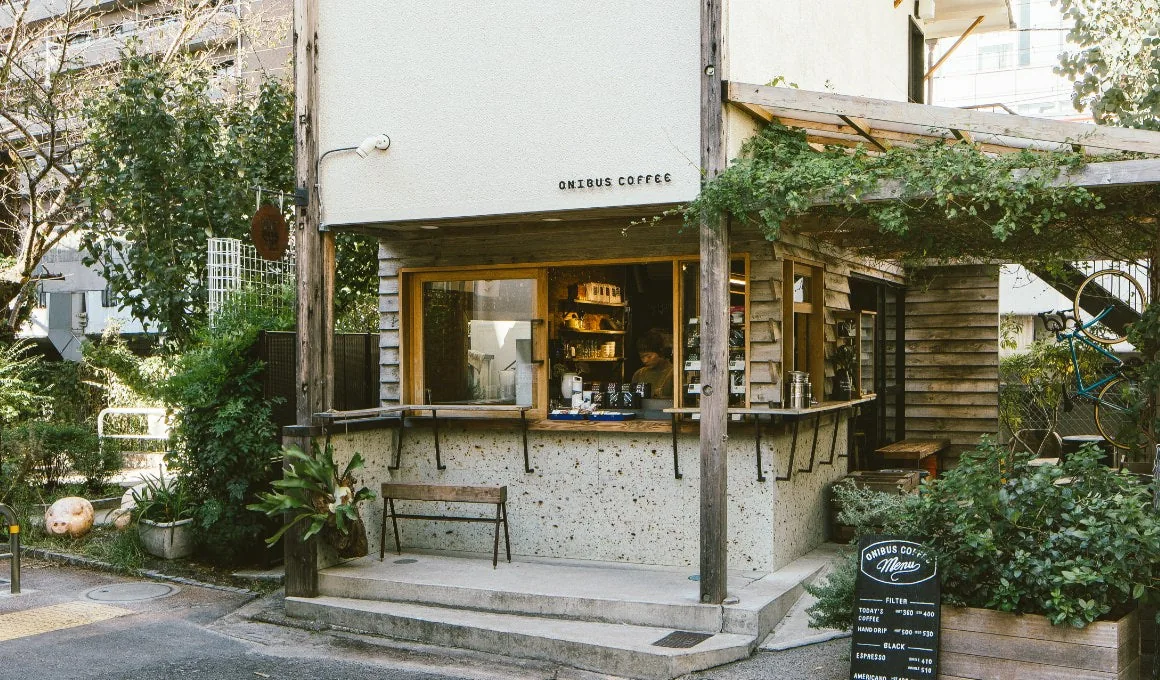
The station-side branch of this Tokyo specialty roaster occupies a small building beside the railway. Espresso and filter coffee make it a useful first stop before the river shops; the upstairs space is known for its passing-train views.
Choose the Nakameguro Ekimae branch, not the separate Nakameguro 3-chome location.
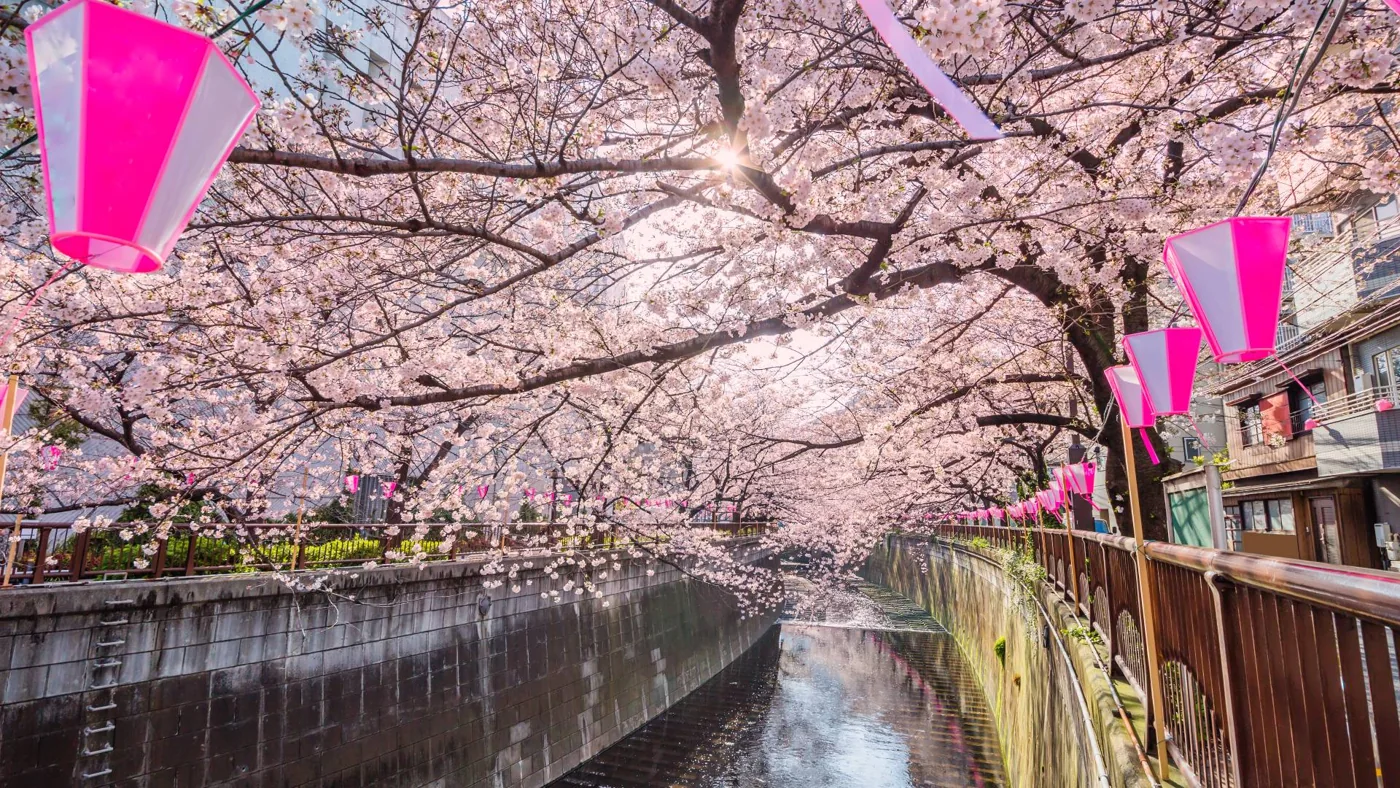
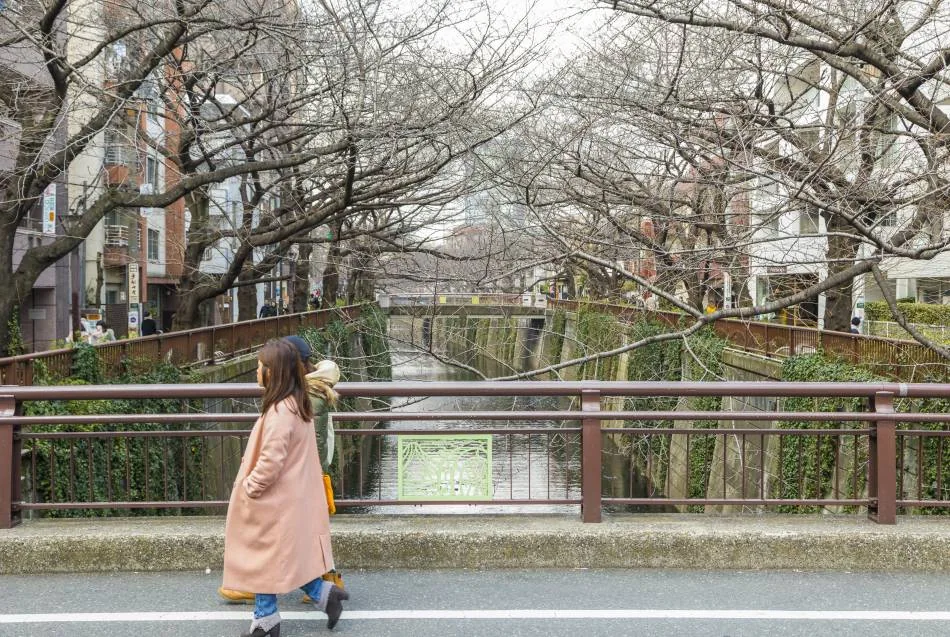
A compact neighborhood built around the Meguro River, with small clothing shops, cafés and galleries along the water and side streets. The riverside changes character with the seasons: spring blossoms draw crowds, while summer brings a green canopy.
Use Nakameguro Station on the Toyoko or Hibiya line as your starting point.
This mixed-use development beside the station combines offices, shops and public facilities with an open plaza. Its event calendar includes markets and seasonal activities, so the square can add an unexpected stop to a shopping day.
Check the plaza event calendar; sake tastings are occasional events.
A Thai restaurant offering rice dishes, noodles and shared plates, with lunch and dinner services. The operator employs Thai chefs and lists both counter and table seating, making this a practical meal stop between the station and river.
Use Thom’s map pin; the operator’s English page currently appears to show an incorrect address for this branch.
Hours and closing days differ across published listings. Confirm before a special trip.
The narrow streets beside the Meguro River form a walkable corridor of fashion stores, bookshops and cafés. Small bridges connect both banks, while short side streets lead to more shops away from the main riverside route.
Start near Bamboo Shoots, then follow the river toward Aobadai, as Thom suggests.
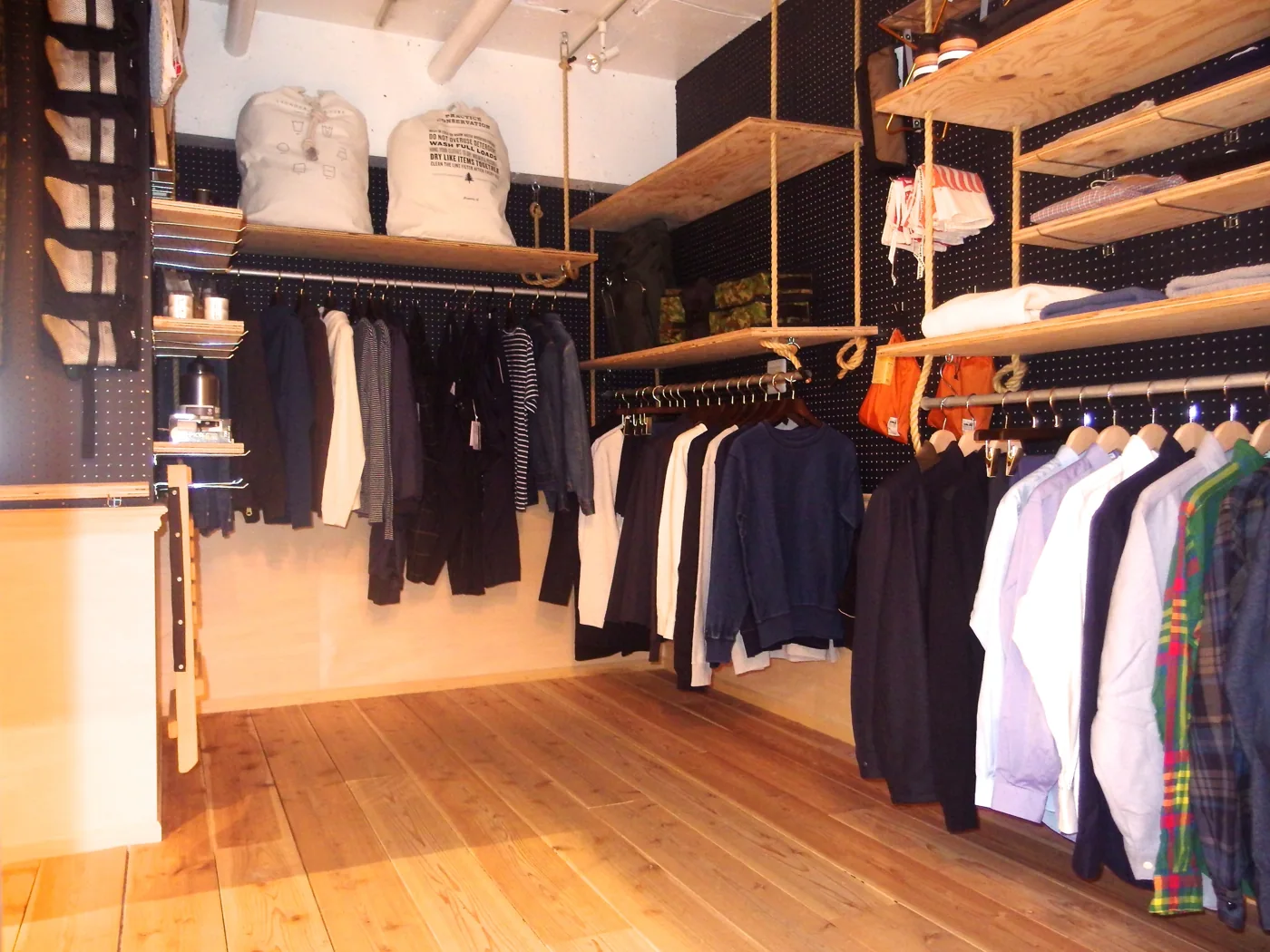
Opened beside the Meguro River in 1998, this shop mixes outdoor equipment sensibilities with everyday clothing. Its own Bamboo Shoots label sits alongside a selection built around useful details, durable materials and life between town and the outdoors.
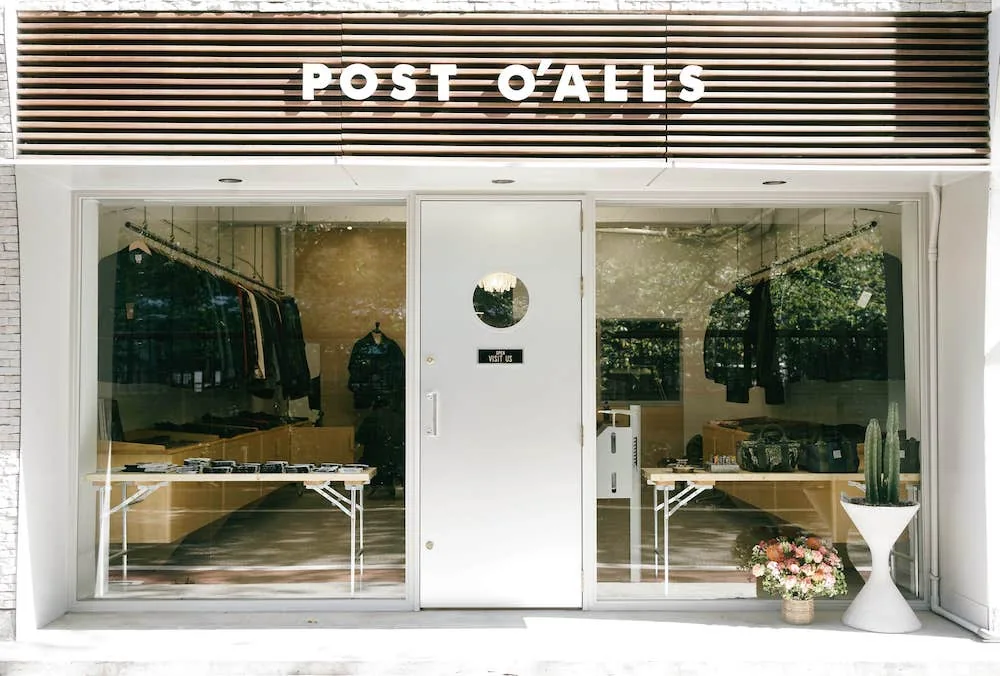
The shop shares the Nakameguro Mansion building with Post O’Alls.
A small flagship for the workwear-focused Post O’Alls label, in the same riverside building as Bamboo Shoots. The brand also uses the shop for visiting-label pop-ups, which can broaden the selection beyond its own clothing.
Look for shop 105 in Nakameguro Mansion at 1-5-10 Kamimeguro.
The likely match is Gallery Ohhh, a small gallery and rentable exhibition space at 1-7-6 Kamimeguro. Its program includes artist presentations and live-painting events, so what you find depends on the exhibition calendar.
Check the gallery calendar before visiting; access can depend on the event.
Thom writes “Gallery oooh!!!”. Gallery Ohhh is the likely nearby match, but the guide supplies no map pin to confirm it.
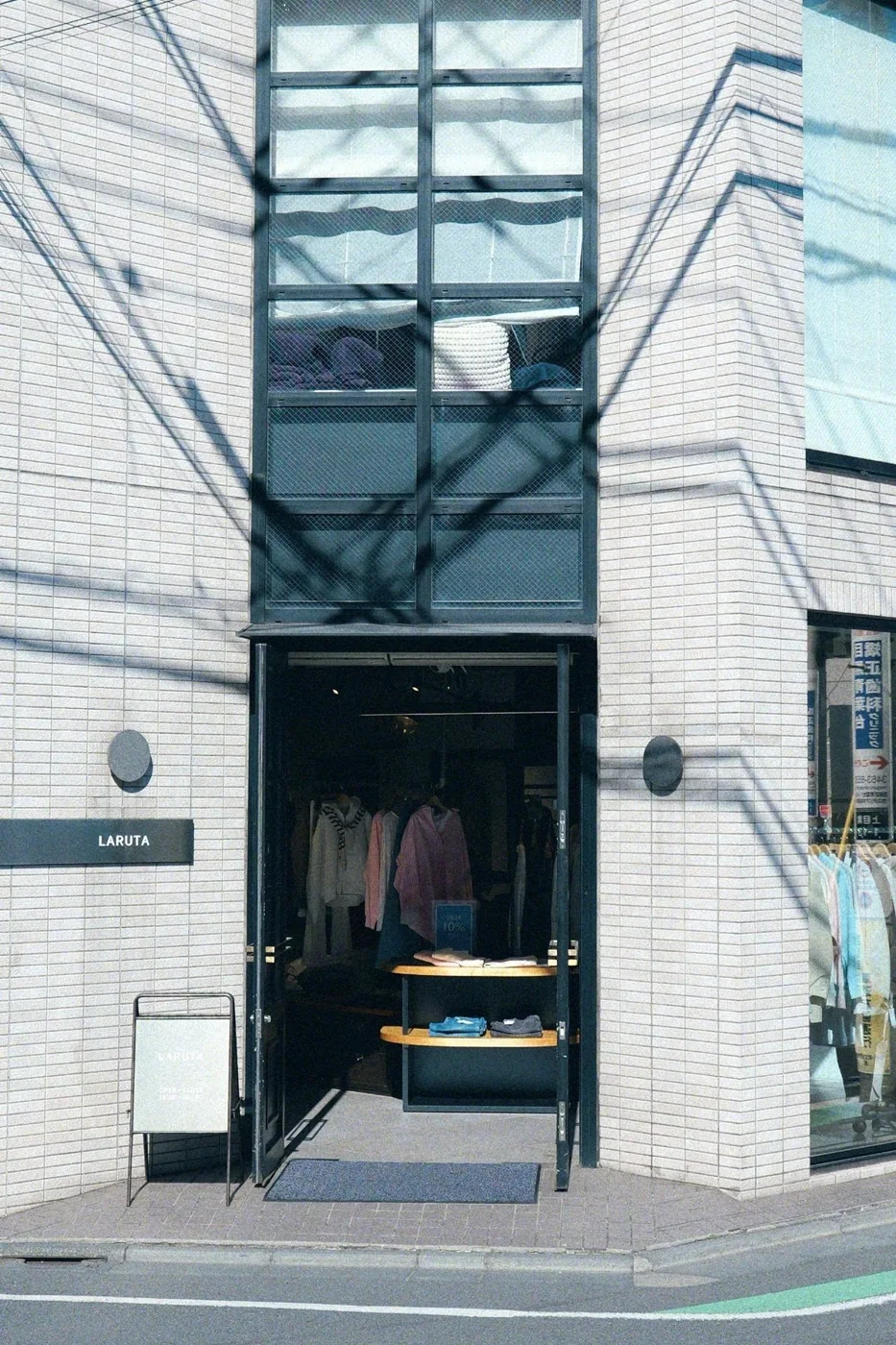
LARUTA storefront, photographed in February 2026 架見あき / note ↗
Shopping · Nakameguro
Laruta
The Nakameguro branch of Japanese womenswear label LARUTA is a short walk from the station at 1-13-7 Kamimeguro. It adds contemporary everyday clothing to a route otherwise heavy on vintage shops and outdoor-inspired menswear.
Use the official branch listing for current hours.
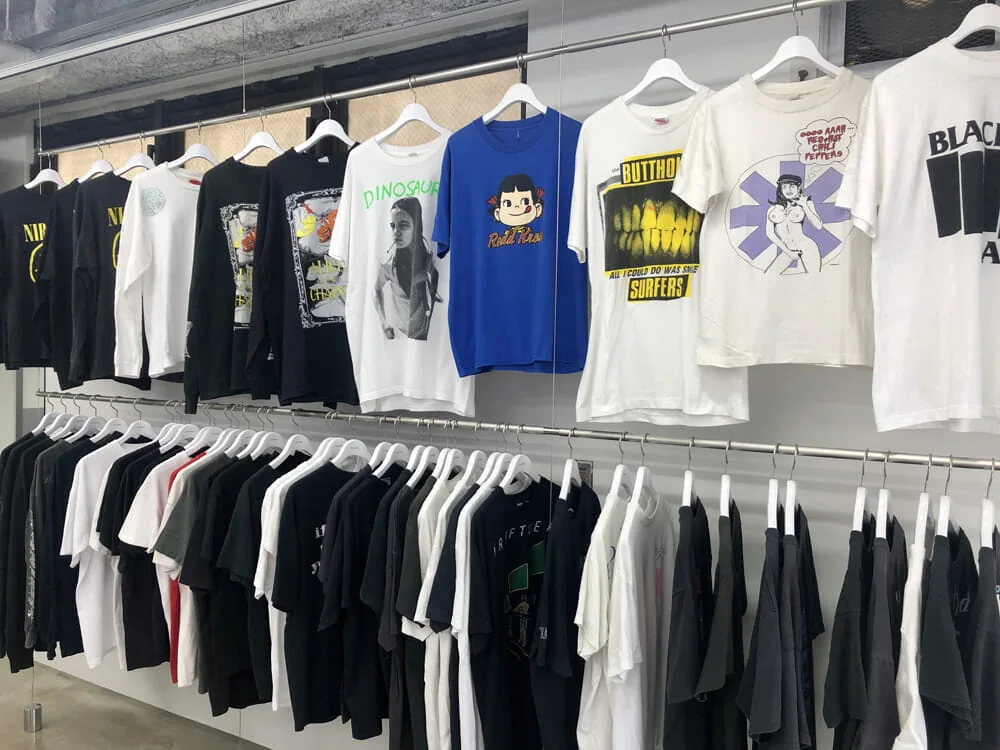
Opened in 2020 as F-LAGSTUF-F’s first dedicated store, Four Store brought graphic clothing and selected vintage pieces to the river. Current brand stockist information places FOUR STORE NAKAMEGURO at 1-21-9 Aobadai.
Check the shop’s social account for the current brand mix and opening days.
The opening photo and original concept date from 2020; the selection may have changed.
A Japanese fashion label whose collections use loose shapes, patterned fabrics and playful collaborations. Its Nakameguro shop is listed at 1-17-1 Aobadai, close to the other clothing stores on this riverside shopping route.
Check the official store list for opening days before making a dedicated visit.
A designer resale store on the Meguro River, with men’s and women’s clothing, shoes, bags and accessories. The Nakameguro branch highlights Japanese labels including AURALEE, COMOLI and Graphpaper alongside international designers, with stock changing as pieces arrive.
Look through the racks rather than expecting a particular size or item in stock.
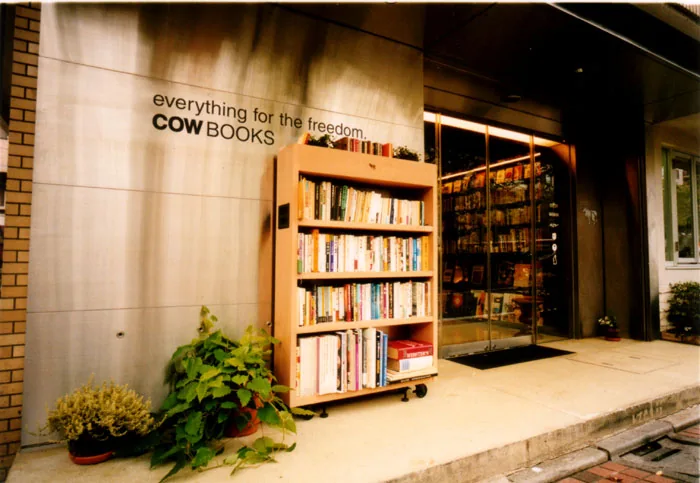
The likely match is Research GENERAL STORE, associated with Mountain Research near COW BOOKS. Its outdoor-focused clothing and camping objects connect practical equipment with a more experimental fashion outlook, making it a distinctive stop on the river walk.
Confirm you want Research GENERAL STORE; several Tokyo shops use similar names.
Identity is inferred from the guide’s route. No exact map link was supplied for “General Store”.
An independent gallery and pop-up space at 1-15-10 Aobadai. Its changing program brings together art, furniture and fashion, including exhibitions and short sales events. The room can look quite different from one visit to the next.
Check the current exhibition or pop-up dates before making a special trip.
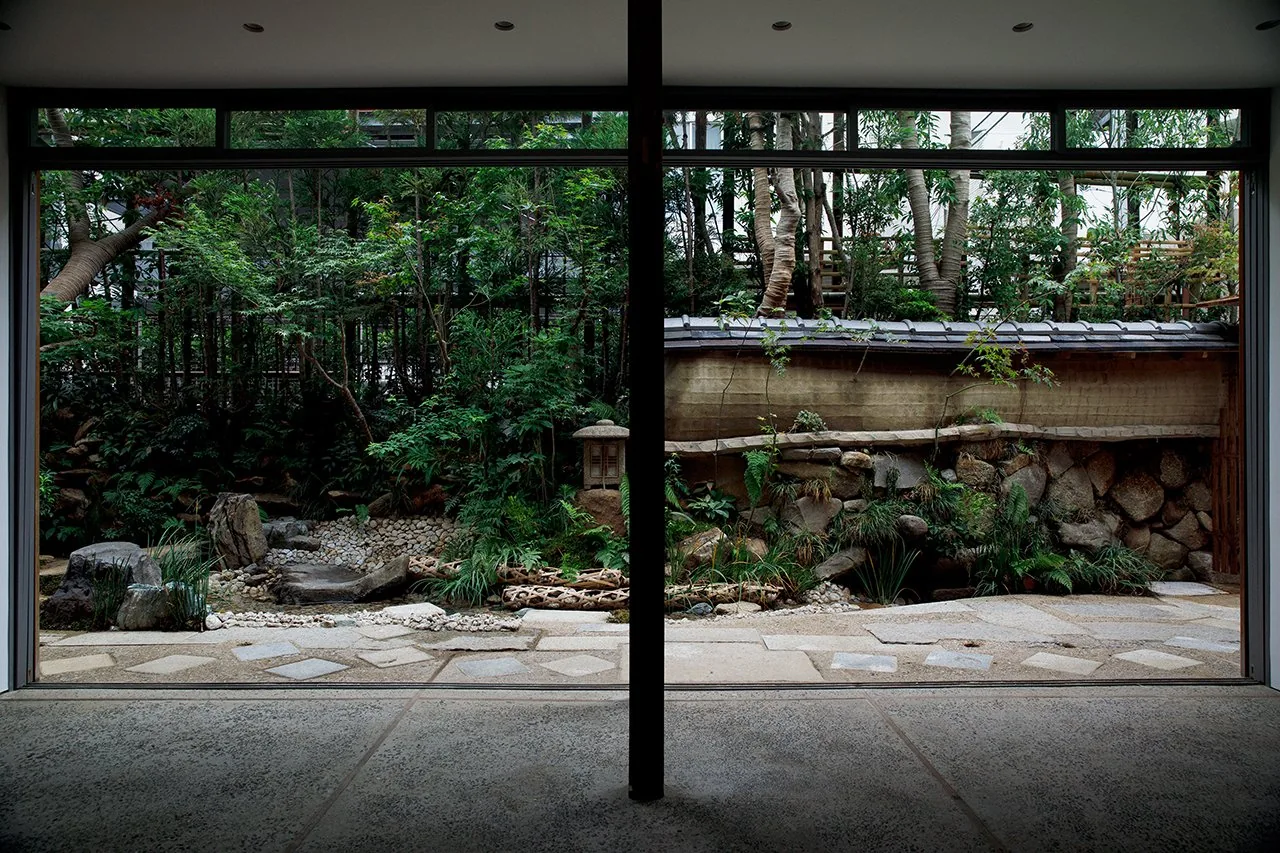
Visvim’s Nakameguro complex brings clothing, footwear, a gallery and little cloud coffee into renovated houses with a carefully made garden. The buildings themselves reward a look, with traditional craft details, textured materials and hand-worked interior fittings.
Allow time for the garden and architecture as well as the clothing.
A select shop on the Meguro River built around travel. Clothing, bags and smaller accessories share a focus on things to take away with you, making it a useful place to browse practical pieces with a strong design point of view.
A café and bar in Aobadai that combines coffee with a record-focused atmosphere. The Nakameguro branch sits a short walk from the station and continues into the evening, when drinks and music become a different kind of break.
Choose the Nakameguro branch; epulor also has a separate Daikanyama location.
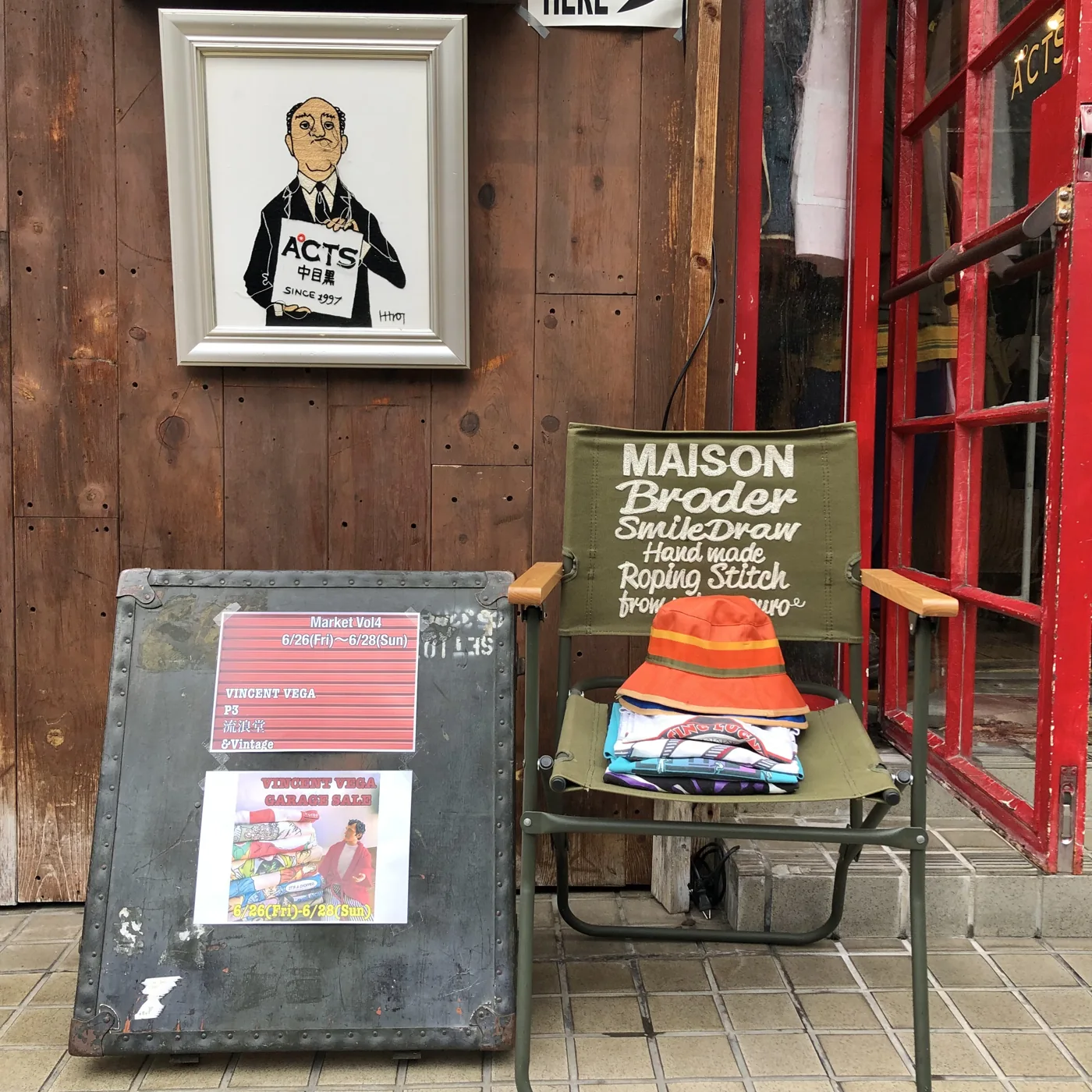
ACTS entrance during a June 2026 event BiB / ACTS ↗
Shopping · Nakameguro
ACTS / BiB
ACTS is the physical shop associated with BiB, a label built around wearable storage such as aprons and vests. The brand’s small accessories and pocket-rich designs make this a more specialized stop than the neighboring multi-brand clothing stores.
Check the brand’s latest posts for shop days and available styles.
Thom’s “only physical retailer” claim was not independently confirmed.
Founded by Yataro Matsuura and Setsumasa Kobayashi, this independent bookshop is known for a selective mix of secondhand books and magazines. Two facing bookshelves and a long central reading table give its small room a distinctive, deliberate layout.
Leave the reading table clear and ask before taking photographs.
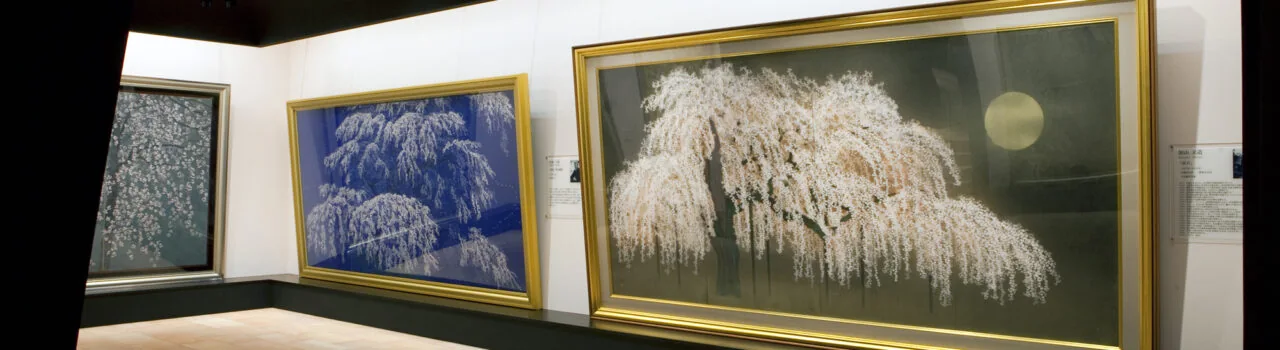
A small museum devoted to contemporary Nihonga, the Japanese painting tradition. Cherry blossoms are a recurring focus, with themed displays drawn from its collection. The dark building stands a short walk across the river from Nakameguro Station.
Usually closed Mondays and during exhibition changes; check the calendar before visiting.
Its remit is contemporary Japanese painting, broader than cherry-blossom paintings alone.
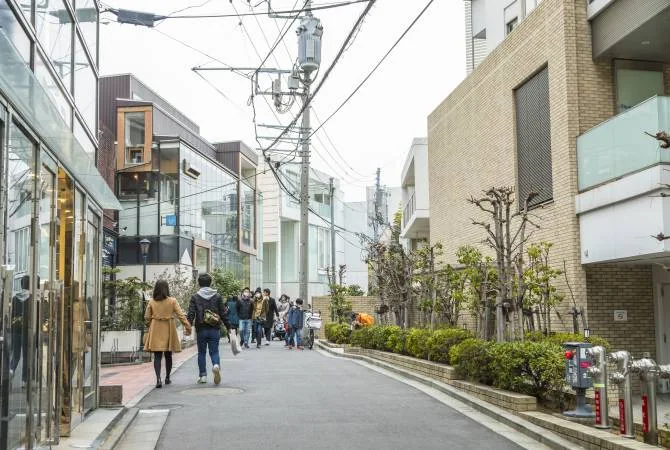
A neighborhood of boutiques, cafés and quieter residential streets between Shibuya, Ebisu and Nakameguro. It rewards walking between individual stops, with modern architecture, leafy pockets and independent shops rather than one central shopping street.
Expect some hills when walking up from the Meguro River.
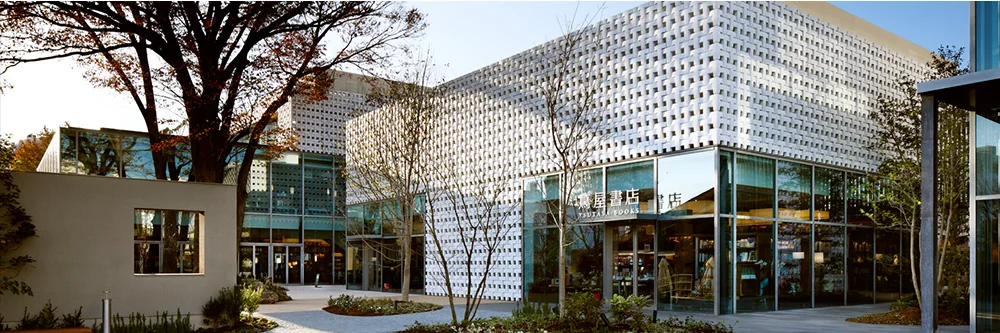
Three connected bookshop buildings sit within this tree-lined complex. A long magazine aisle links sections for art, architecture, travel, food and literature; the white façades use interlocking T shapes designed by Klein Dytham Architecture.
The official English page is useful for floor plans, bookstore hours and café options.
An independent menswear shop near Yari-ga-saki crossing, founded in 2005 by owner Toshimasa Hamajima. Its selection centers on useful everyday clothing with quiet details, including labels such as STILL BY HAND, RESOLUTE and Soliloquy.
Use the current online store to preview the brands before visiting.
A small-batch gelato shop using ingredients from Japanese producers and recipes that change with the season. Black sesame with port-soaked organic figs is a listed classic flavor, while fruit sorbets and other seasonal options rotate through the menu.
Thom’s black sesame and fig choice is one combined flavor. Check availability on the day.
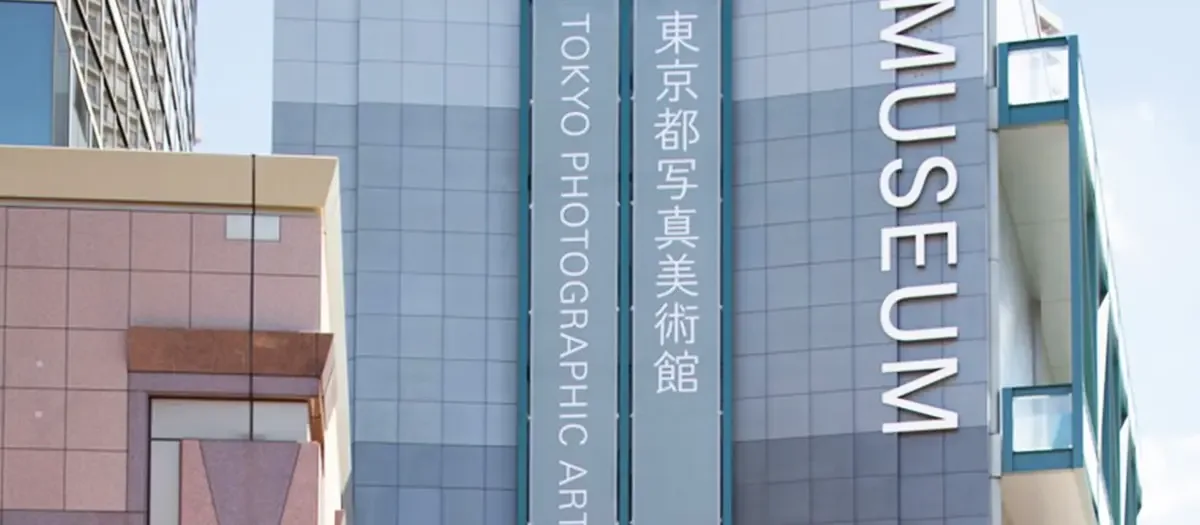
Known as TOP Museum, this institution in Yebisu Garden Place focuses on photography and moving images. Multiple exhibition galleries, screenings, a library and a shop make it worth choosing the current program before deciding how long to stay.
Tickets vary by exhibition or screening. Check Monday closures and evening hours.
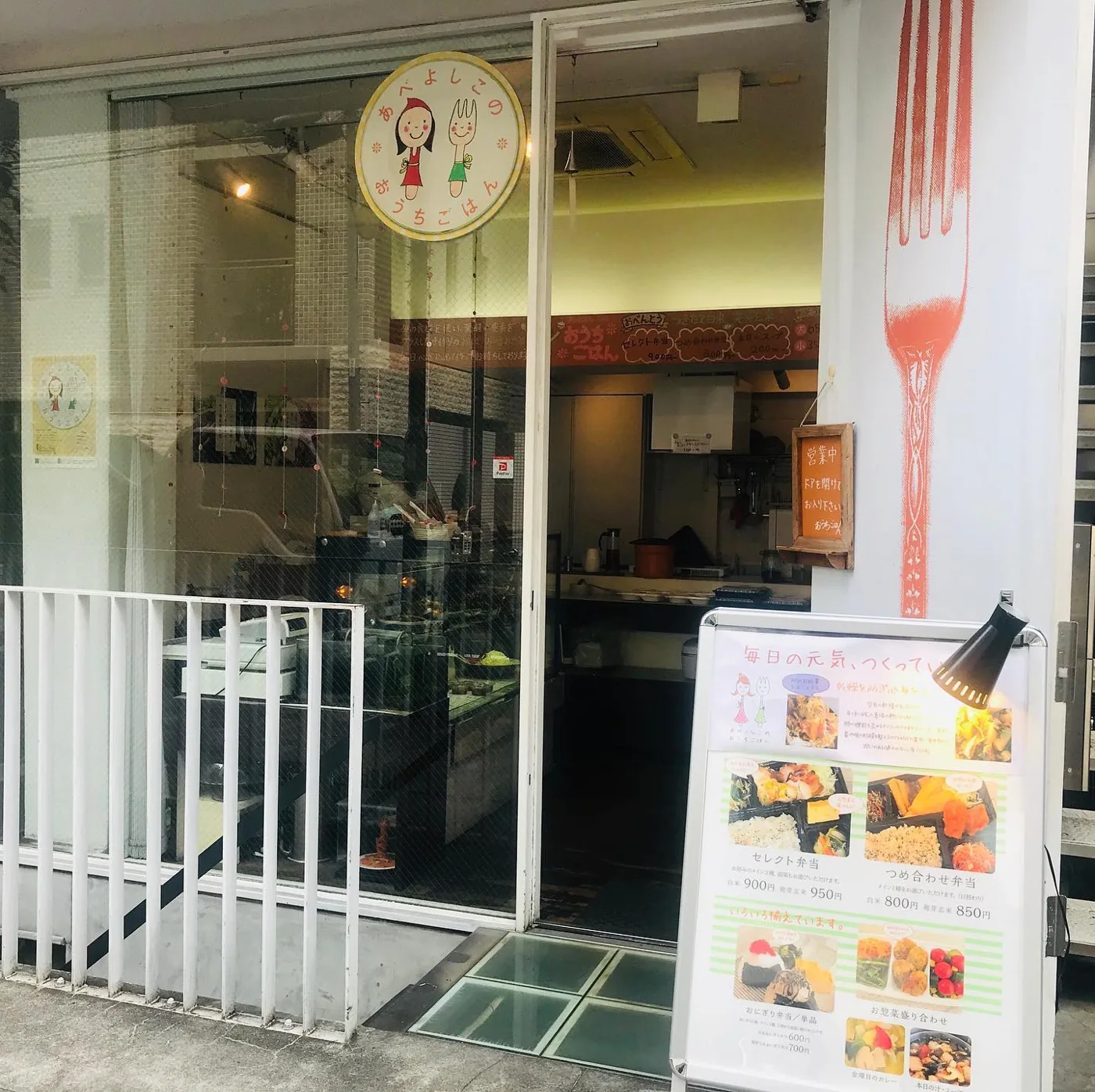
This Ebisu kitchen serves Japanese home-style food, including prepared side dishes, rice and takeaway meals. The listings emphasize vegetables and seasonal cooking, with options to assemble a varied plate rather than ordering one large restaurant dish.
Search あべよしこのおうちごはん. Confirm current hours; an early dinner is not guaranteed.
Published hours are incomplete or outdated. The linked photo comes from the 2021 business listing.
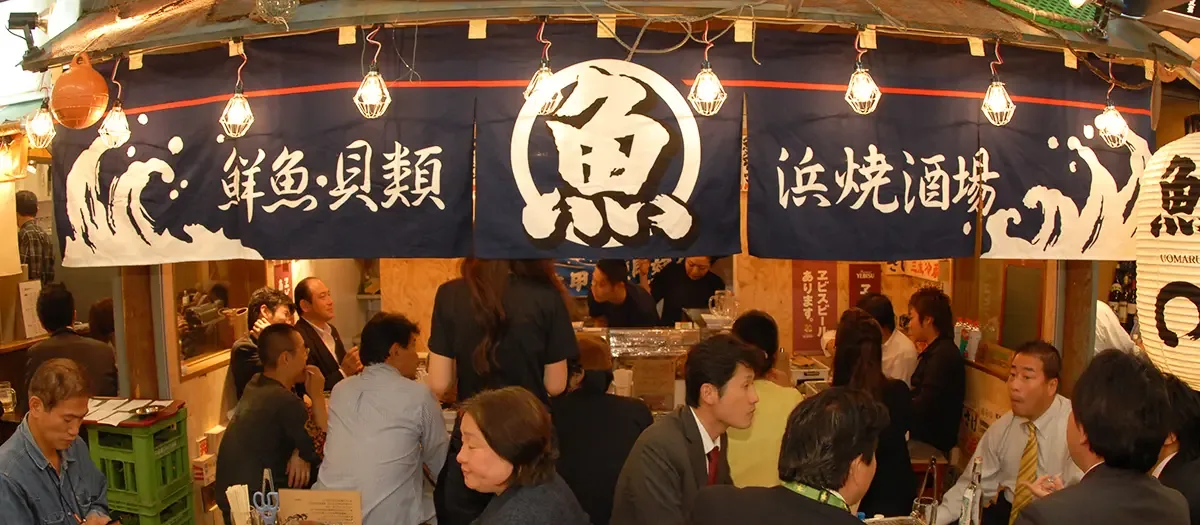
A covered cluster of small eateries and drinking spots near Ebisu Station, marked by bright signs and red lanterns. The food ranges from skewers and oden to seafood, so it works as a browse-and-choose evening meal rather than one fixed restaurant.
Opening hours and menus differ by stall. Expect a lively shared setting.
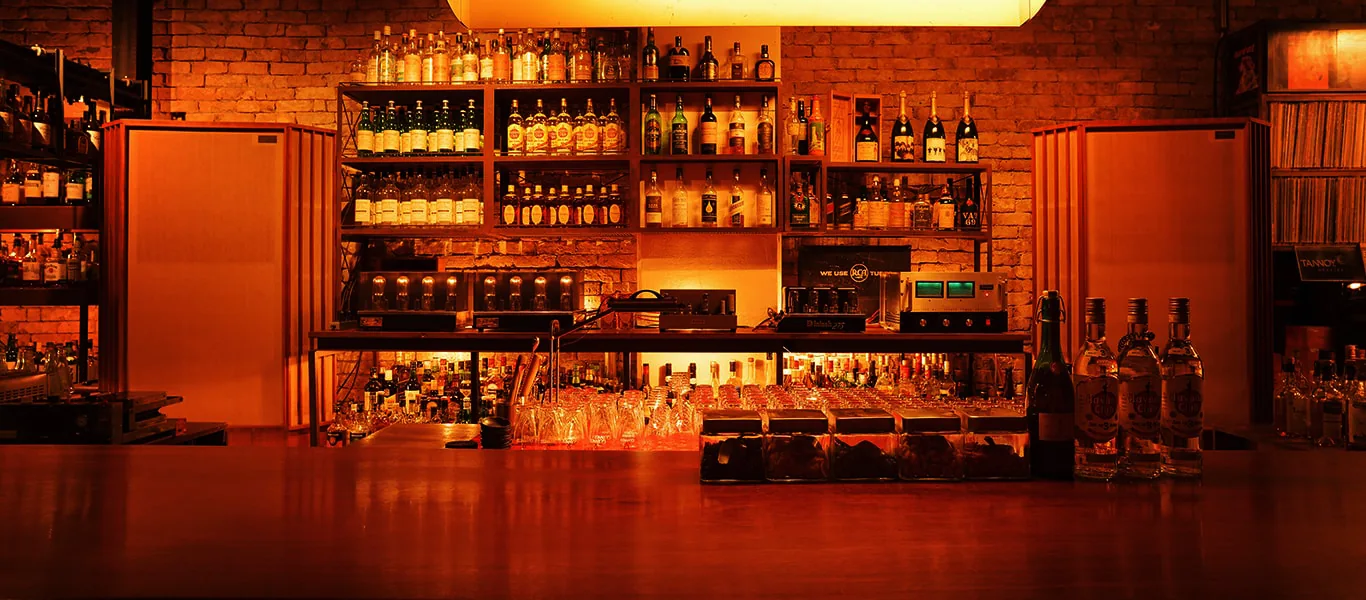
An Ebisu listening bar built around recorded music and drinks. The owner’s published rules ask guests to keep voices low and prohibit photography inside, including pictures of drinks, records and the sound system. Arrive ready to listen.
No reservations. Follow the quiet-listening and no-photography rules.
A small music venue in an old house on a Jingumae backstreet, with several spaces and a rooftop terrace. Its calendar changes from night to night, with DJs, live sets and occasional exhibitions shaping the atmosphere.
This is a separate trip from Ebisu. Check the event, entry price and last-train plan.
Begin with coffee and the shrine. Then choose the kitchen shops of Kappabashi or contemporary art in Kiyosumi-Shirakawa. These are alternatives, not one walking route.
A neighborhood coffee shop in a quiet residential part of Shibuya, with wood interiors, terrace seating and a close connection to Portland coffee culture. It also hosts changing events and pop-ups.
Official address: 2-26-5 Nishihara. Check its current opening calendar.
The original guide’s map repeats space orbit. This map has been corrected.
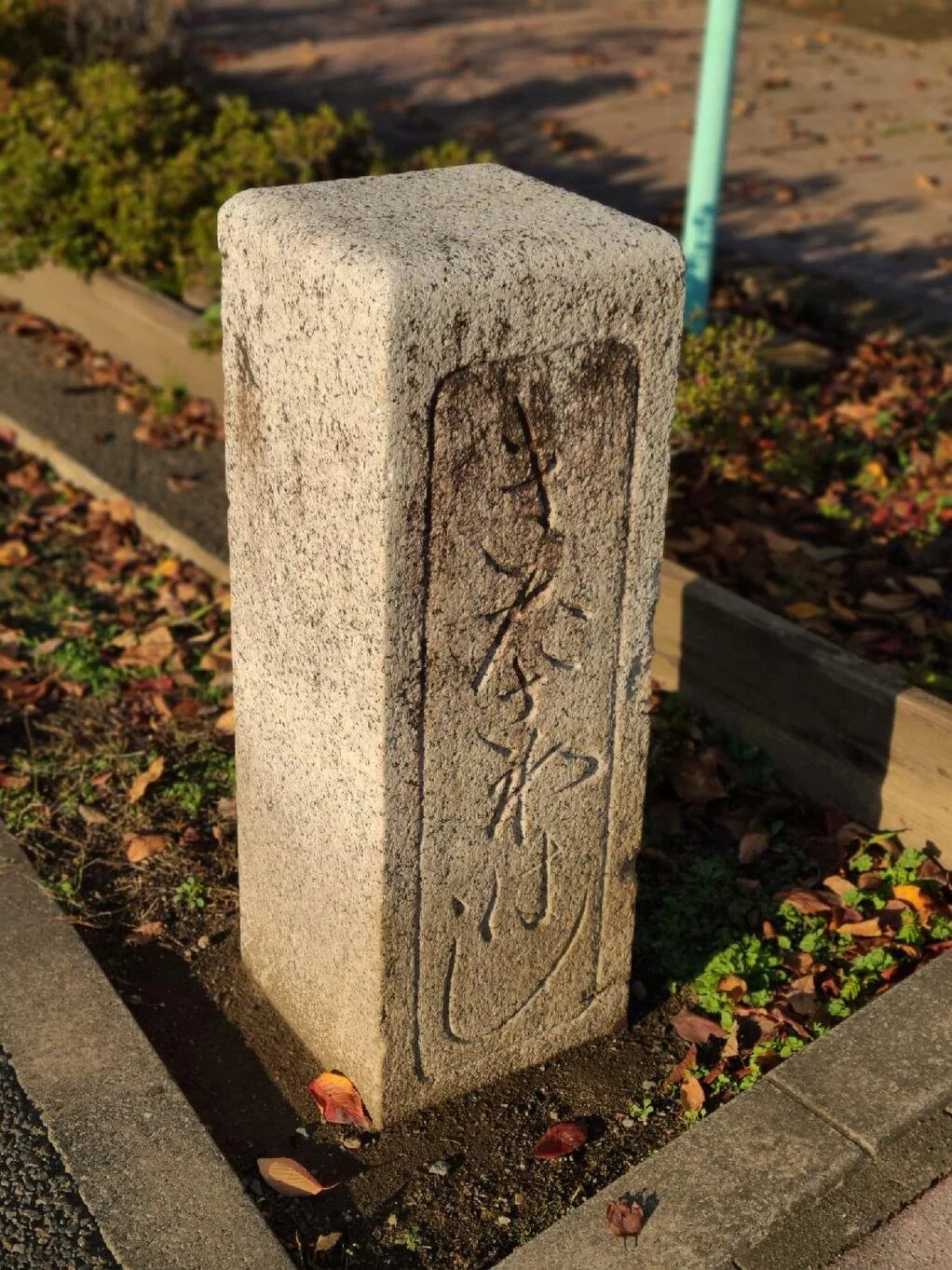
A small historic bridge marker in the residential streets of Oyama. Thom uses it as a starting point for his green corridor walk toward Nishihara and Paddlers, rather than as a major sight itself.
Use the map pin to find the starting point. Follow local paths and street signs.
The location is verified; the guide’s full walking route is not independently mapped.
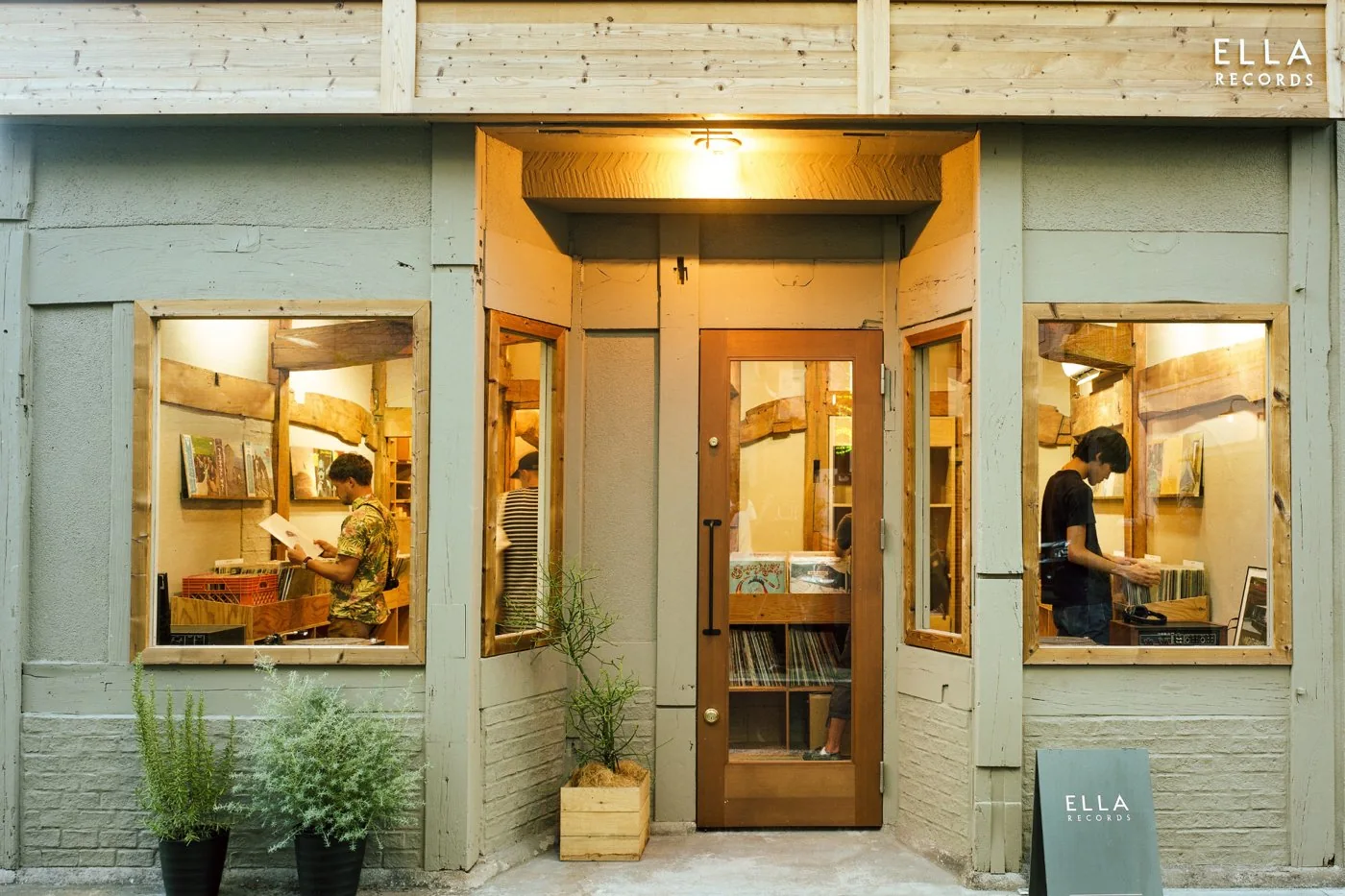
The regular ELLA RECORDS shop sits on a neighborhood shopping street in Nishihara. It offers vintage records across genres and is distinct from the appointment-only ELLA RECORDS VINTAGE showroom in Shimokitazawa.
Visit the Nishihara shop at 1-14-10; the vintage showroom is a different address.
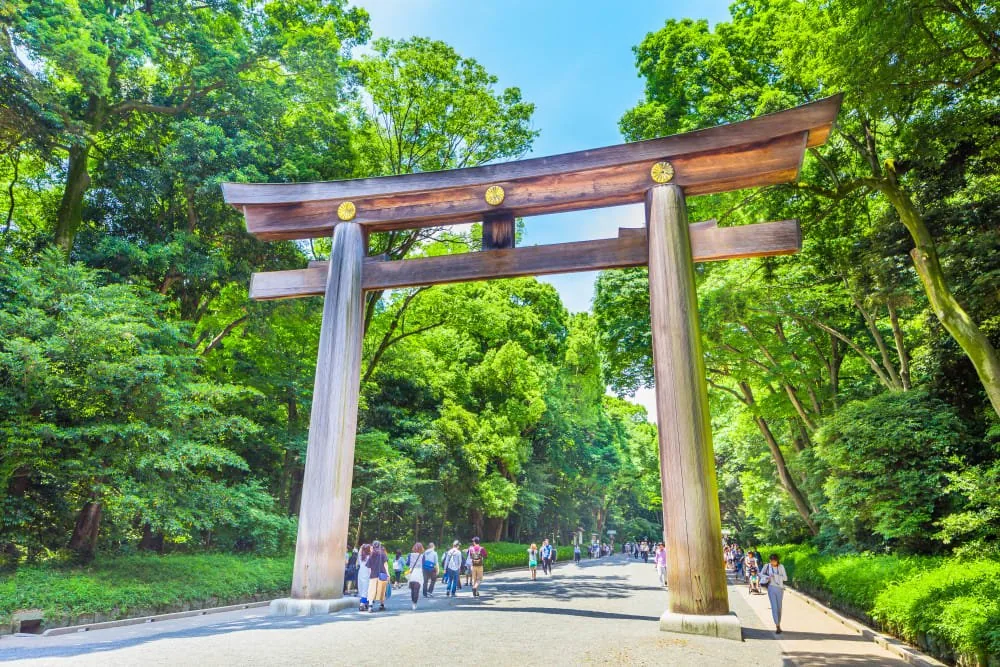
A Shinto shrine dedicated to Emperor Meiji and Empress Shoken, set within a large wooded precinct. Broad gravel paths, monumental torii gates and the shrine courtyard make this a natural pause from central Tokyo.
Allow about an hour for the shrine. Some gardens and museum areas charge separately.
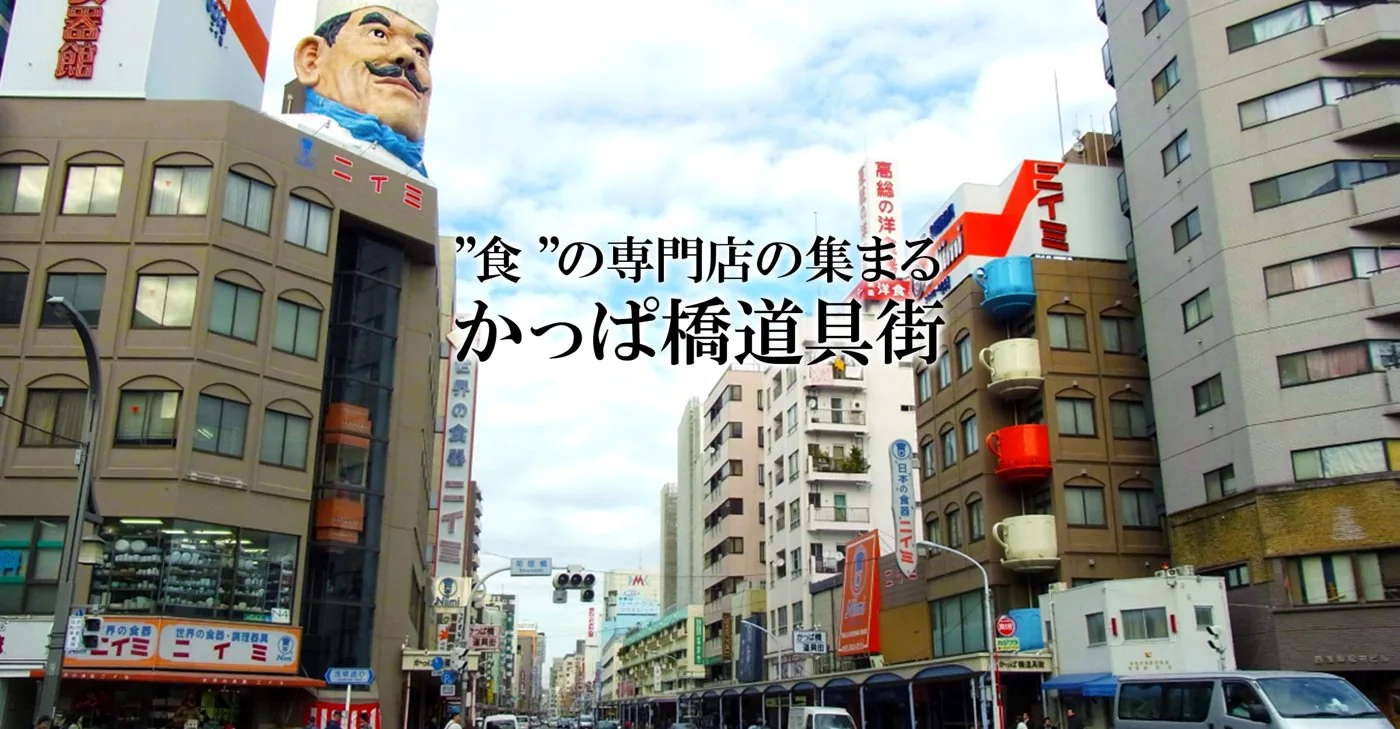
Tokyo’s kitchen equipment district supplies professional cooks and home enthusiasts. Its specialist shops sell knives, ceramics, cookware, utensils and the realistic plastic food displays seen outside Japanese restaurants. Allow time to compare shops.
Individual shop hours differ. Use the association’s English store map to plan your visit.
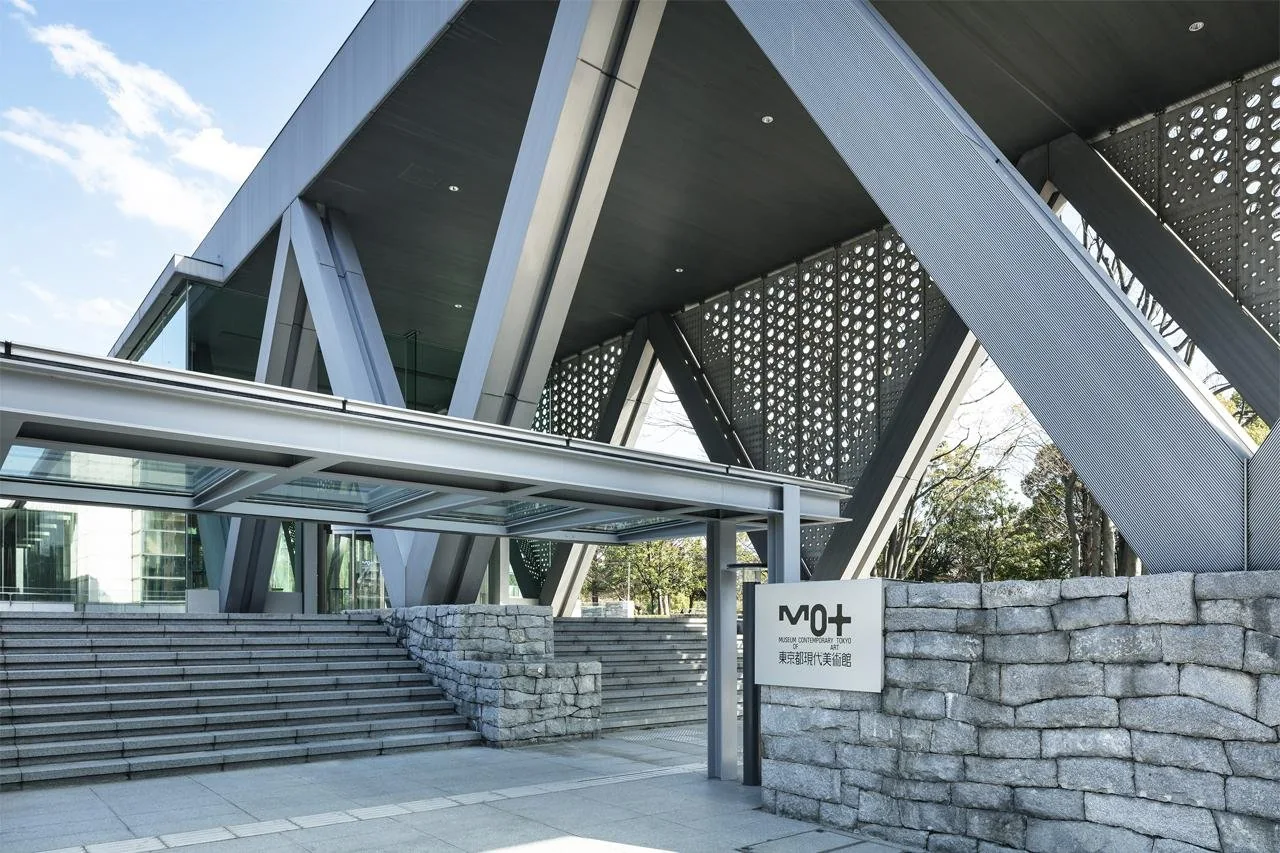
Known as MOT, this museum presents contemporary art through collection displays and changing exhibitions beside Kiba Park. Its large galleries make it a substantial visit, with a museum shop and places to eat onsite.
Check the exhibition calendar and ticket details before crossing town.
A compact sock shop from Japanese maker Yamaya, with a strong focus on natural fibers and considered production. The Kiyosumi collection includes exclusive colors and playful local motifs, alongside everyday socks for adults and children.
The official shop address is 3-3-30 Kiyosumi, ground floor.
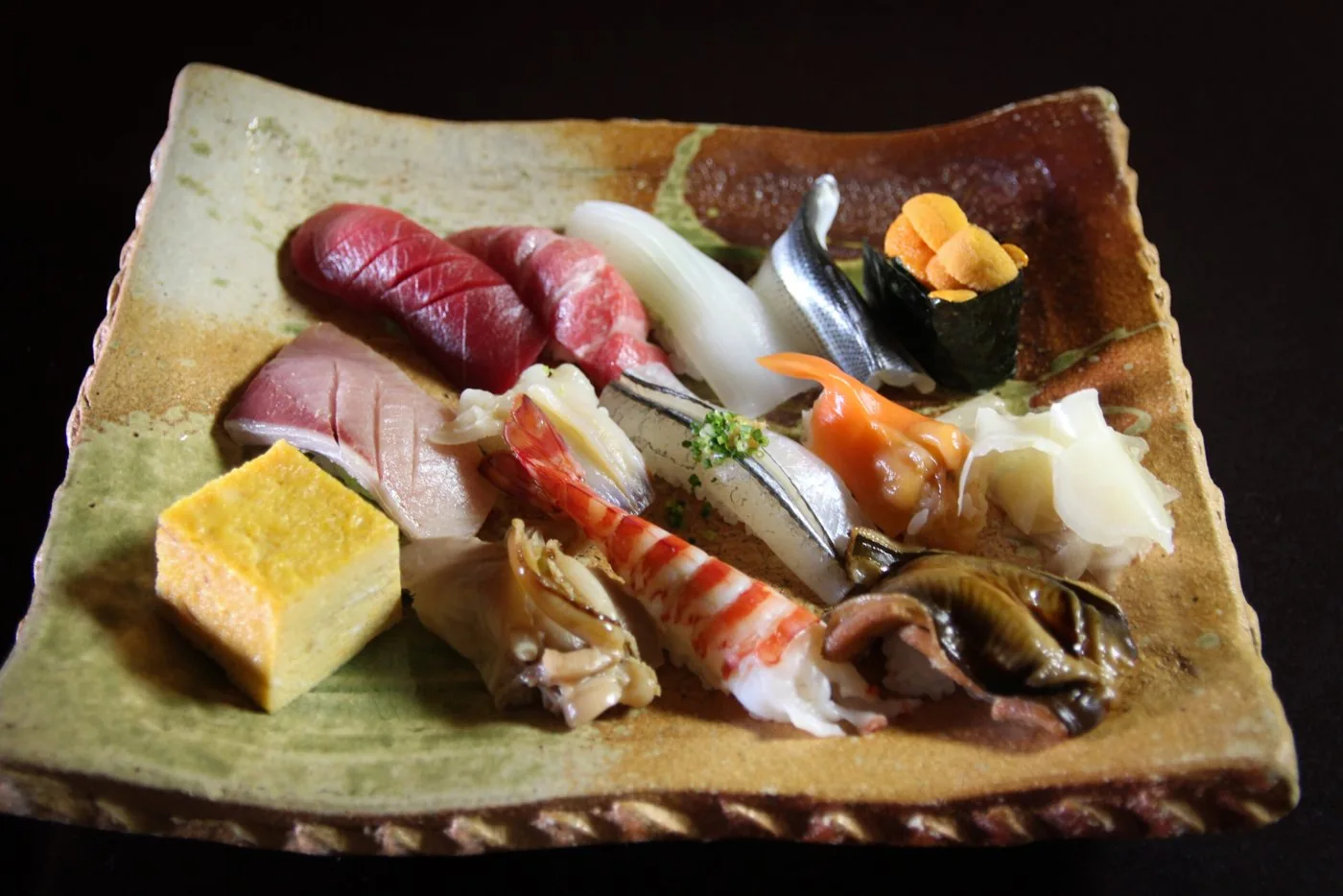
A long-established Edomae sushi restaurant near Kappabashi, at 2-26-6 Matsugaya. Its official site emphasizes fish selected at market, rice cooked in a traditional pot and house-made preparations such as rolled omelet.
Check the business calendar. The restaurant accepts dinner reservations; lunch arrangements differ.
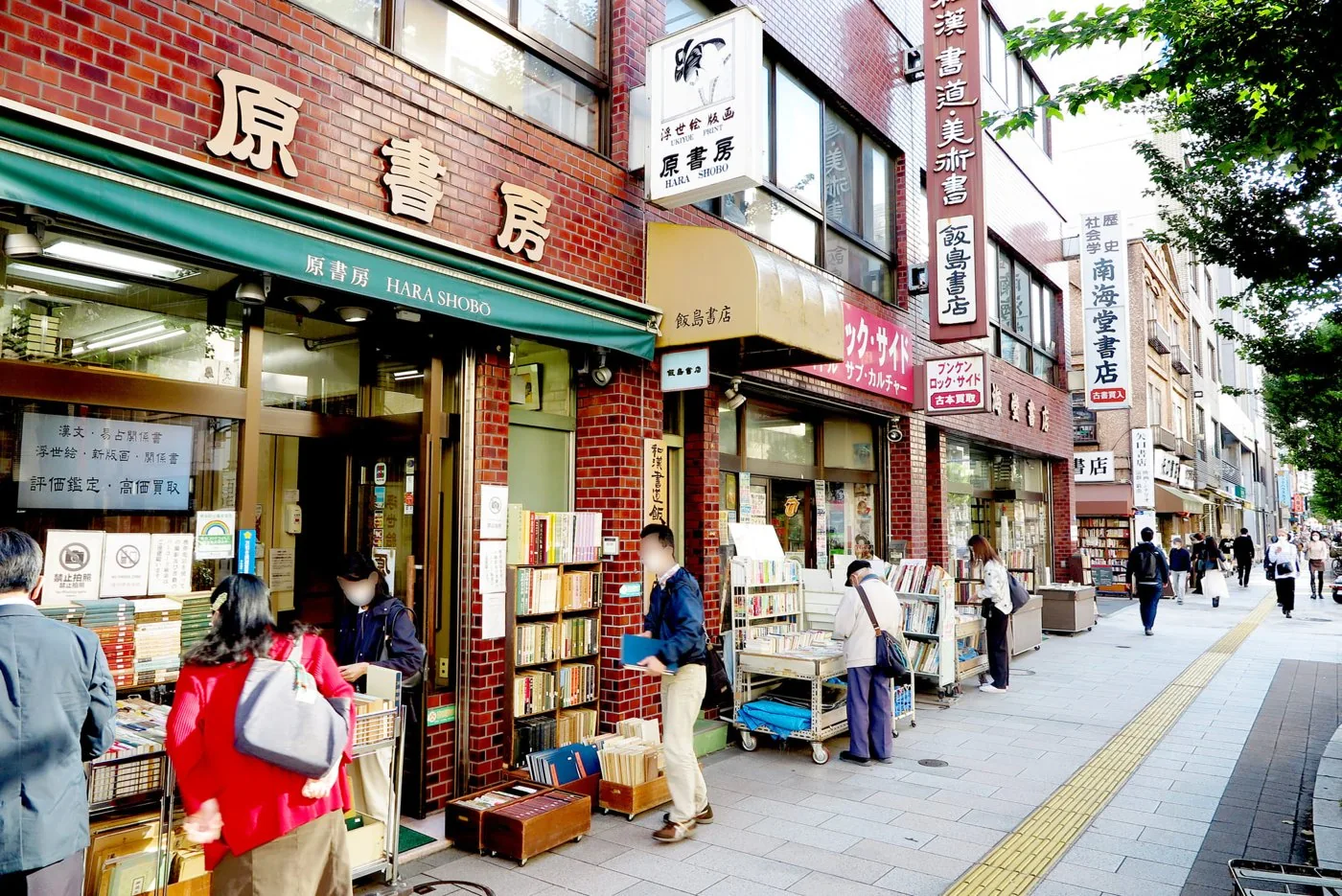
Tokyo’s celebrated book district brings together specialist secondhand booksellers, publishers and cafes. Shops cover subjects from art and photography to literature and history, making the surrounding streets ideal for browsing without a fixed shopping list.
Start around Jimbocho Station and Yasukuni-dori. Shop hours vary.
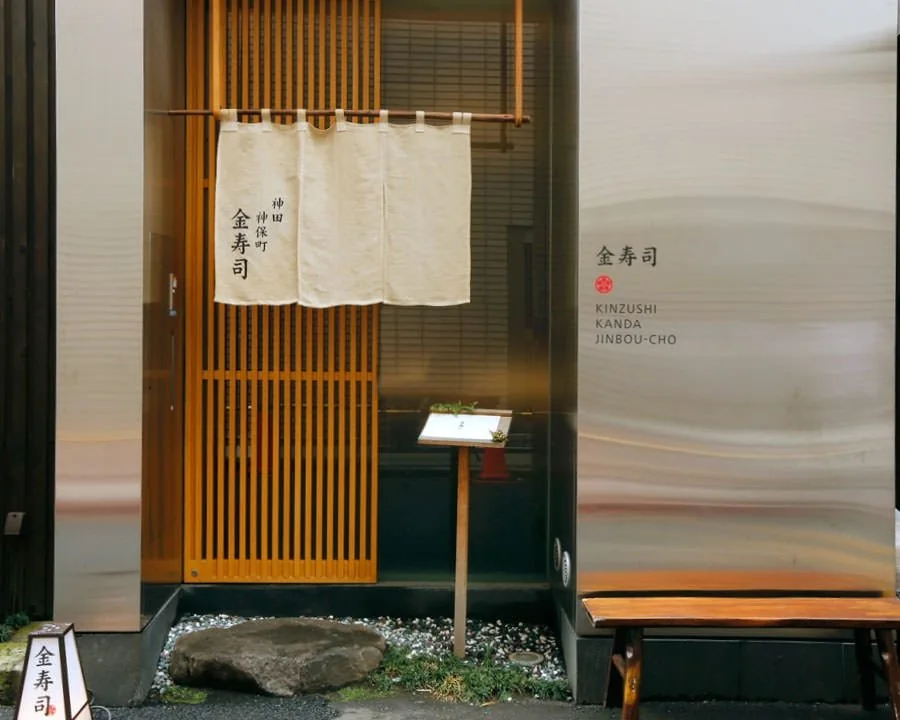
A small Edomae sushi restaurant close to Jimbocho Station, with counter seating and seasonal fish. The guide’s map identifies the restaurant at 2-2-28 Kanda Jimbocho, distinct from another Kin Zushi in nearby Ogawamachi.
Call to confirm service times and availability; restaurant listings disagree on closed days.
Branch verified from the guide’s map. Current weekly hours need direct confirmation.
A dense shopping and entertainment district built around one of Tokyo’s busiest stations. Large stores, side streets and elevated viewpoints surround the famous scramble crossing, making this a good district for an open-ended urban walk.
Use a station exit or a specific shop as your meeting point.
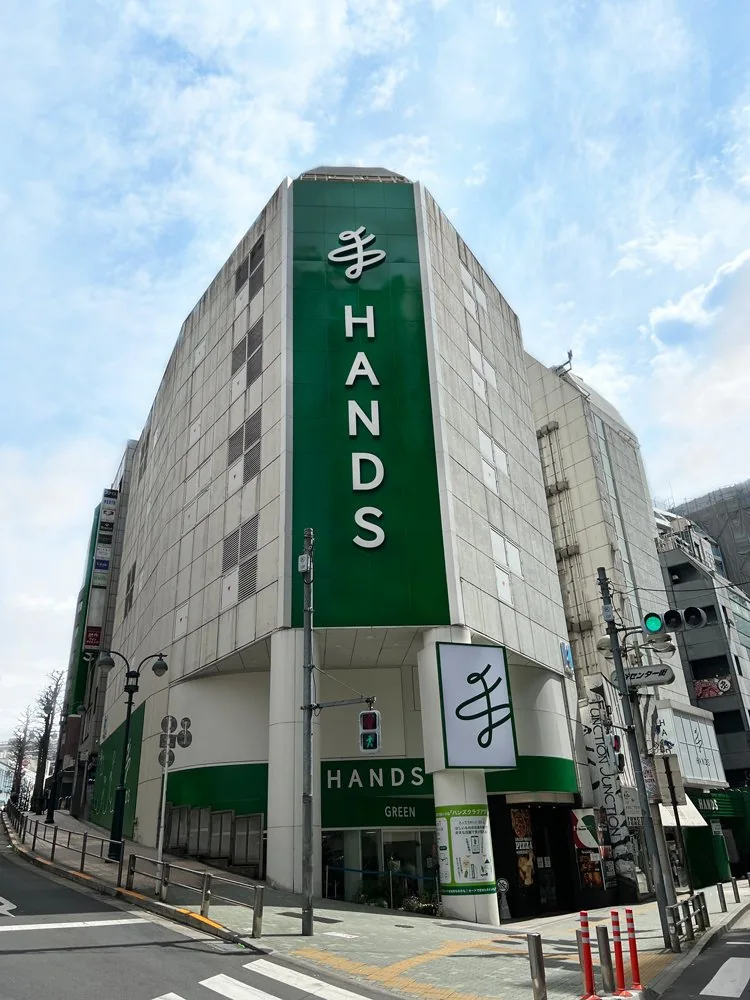
A sprawling shop for stationery, craft materials, household tools and everyday design. The Shibuya branch divides its floors into smaller sections, so a casual browse can become a long search through pens, storage, kitchenware and gifts.
Use the store floor guide to find specialist departments.
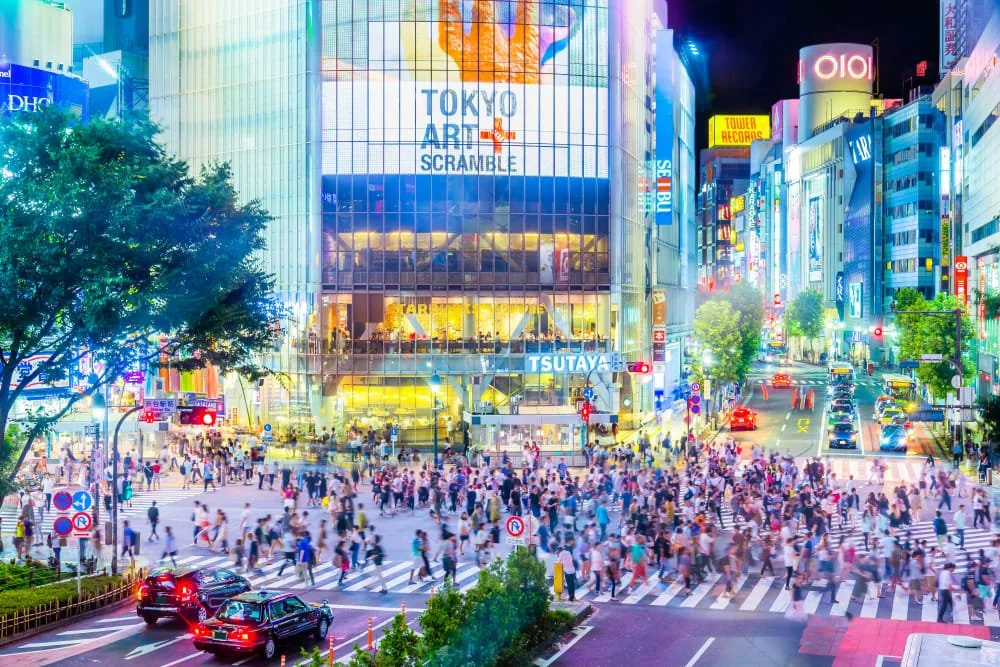
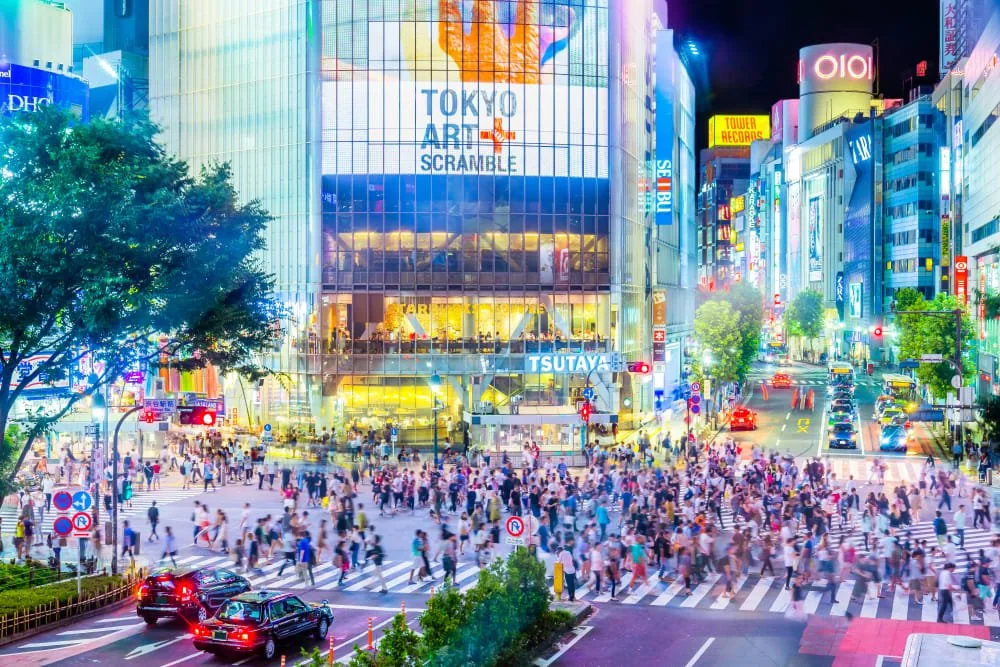
The diagonal pedestrian crossing outside Shibuya Station turns an ordinary traffic signal into one of Tokyo’s most recognizable scenes. The surrounding screens, crowds and street-level views give it a different character by day and after dark.
Use the crossing with the pedestrian signal, and keep clear of people moving through.
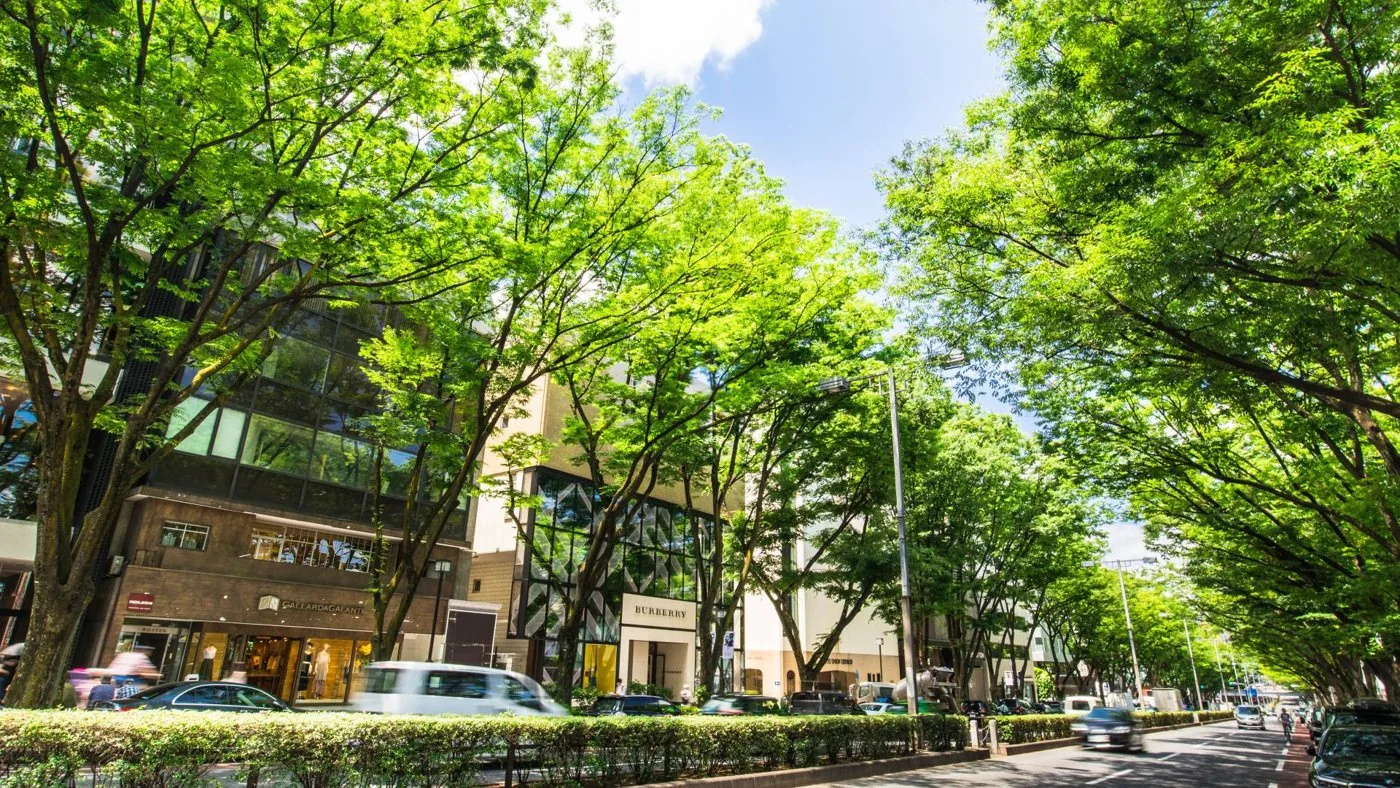
A tree-lined avenue where fashion flagships and striking contemporary buildings sit beside quieter lanes. The wider Aoyama area adds design shops and galleries, making the neighborhood interesting for architecture as well as luxury shopping.
Walk the main avenue, then allow time for its smaller side streets.
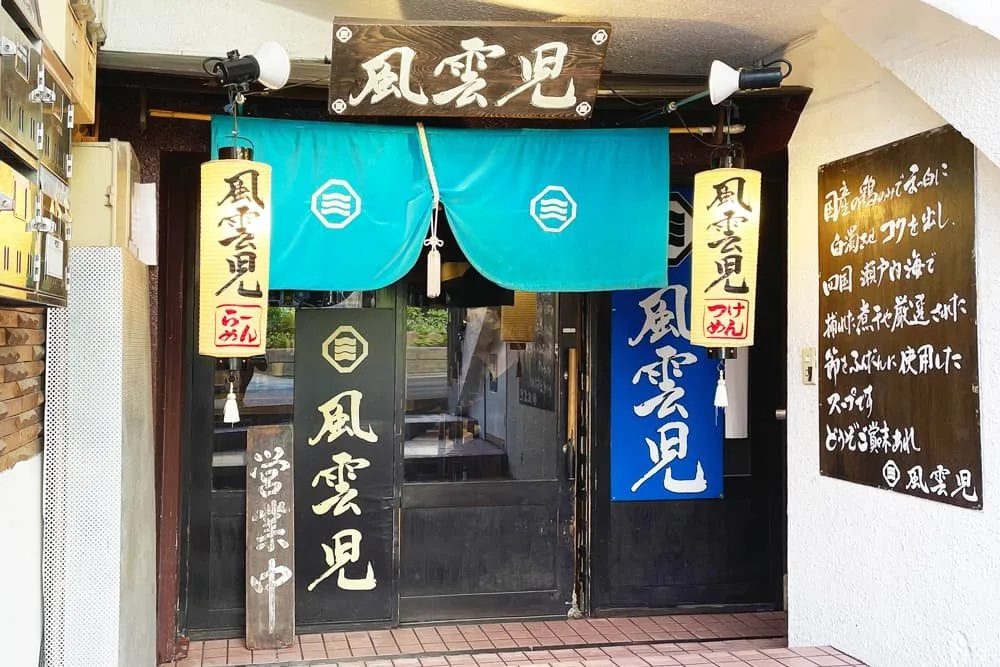
The original Fuunji serves ramen and tsukemen near Shinjuku Station’s south side. Its signature dipping broth combines a rich chicken base with fish flavors, paired with thick straight noodles in a compact counter restaurant.
The guide’s link is the Shinjuku main shop. It does not take reservations.
A small music bar in Shibuya with decks, drinks and food, run by a husband-and-wife team. Guest DJs and the intimate room make it a place to settle into an evening rather than rush between stops.
Check its current social posts or map listing for the night’s program.
Check current listings before visiting; an active official website was not confirmed.
A small jazz bar dating to 1973, tucked into Daizawa south of Shimokitazawa. Its official introduction centers on modern jazz from the 1950s and 1960s, with a quiet room for listening and a drink.
The official site lists cash only and no cover charge. Confirm before visiting.
An art and design complex beneath the railway, combining twelvebooks’ art-book warehouse, Vinyl Delivery Service’s records, exhibitions and the Tawks cafe. Its unfinished industrial spaces are part of the attraction, inviting slow browsing across disciplines.
Tenant hours differ. Allow for travel east to Kameari.
The guide also mentions an unnamed tea shop. Check the current tenant list before making a special trip.
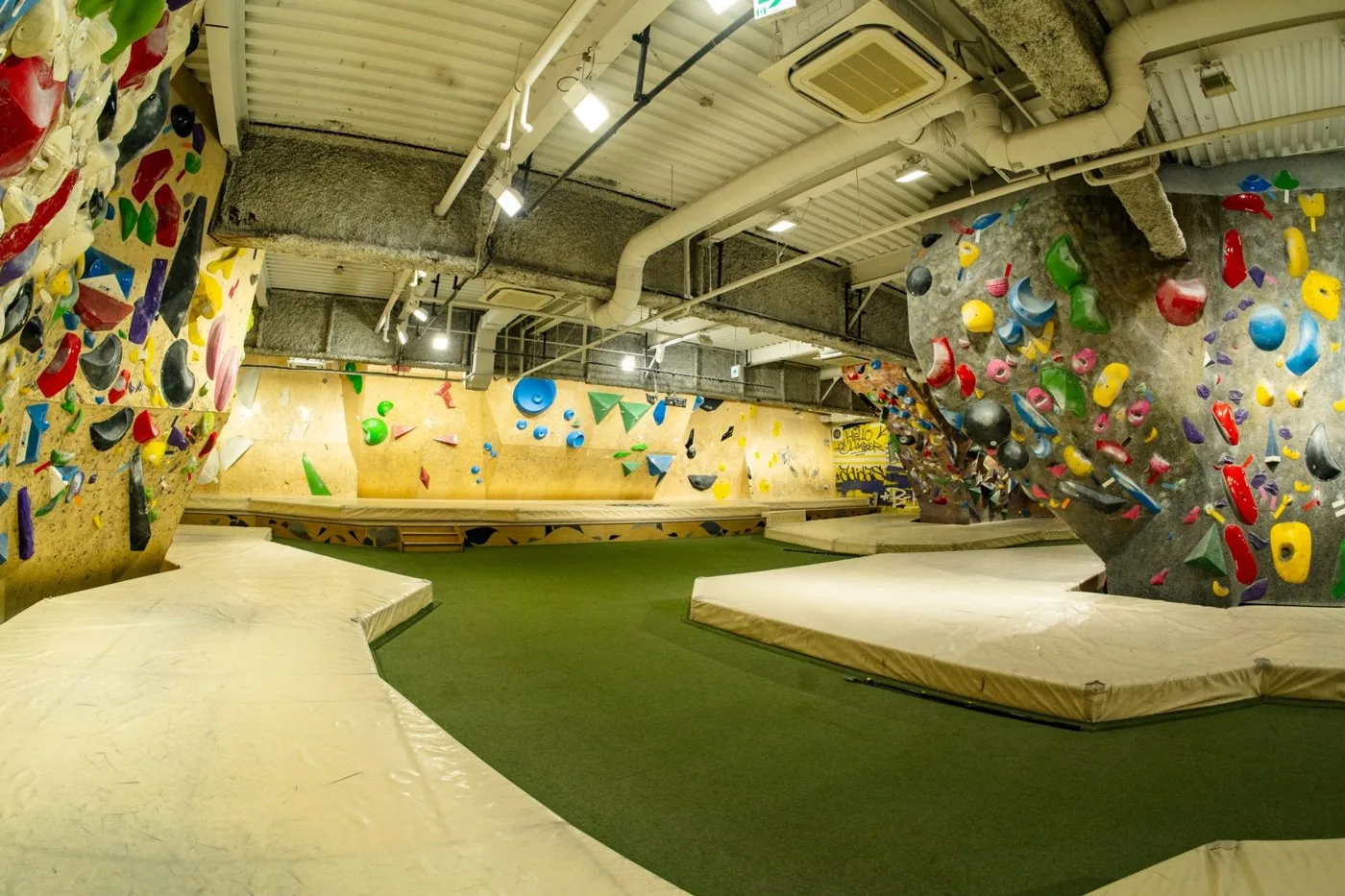
A family of dedicated bouldering gyms with routes for a range of experience levels. Ogikubo is associated with demanding contemporary setting, while B-PUMP Tokyo is near Akihabara; the guide does not specify which branch Thom means.
Choose the branch before traveling. Check first-visit registration and rental requirements.
Branch unspecified in the original guide. Photo shows the Ogikubo gym.
A long-running basement live bar near Nishi-Ogikubo Station, with blues, jazz and other performances. It also serves food, making it suitable for an evening built around a scheduled show rather than a brief drink.
Check the live schedule and the show’s admission details.
An intimate event space near Hatagaya Station, known for experimental music, live performance and club nights. The program changes frequently, so the experience depends on the particular artists and party scheduled for your visit.
Choose a specific event first; start times and admission vary.
A basement music venue near the upper end of Dogenzaka. Its dark entrance and moonlike lighting lead to a compact room with a rotating DJ program, suited to an evening focused on the dance floor.
Check the official schedule for the date and entry details.
A traditional neighborhood shopping street with small independent shops and food counters. The Yuyake Dandan steps form a memorable approach from the Nippori side, opening a view down the street toward its low buildings and signs.
Start at the steps, then walk through the shopping street. Individual shops set their own hours.
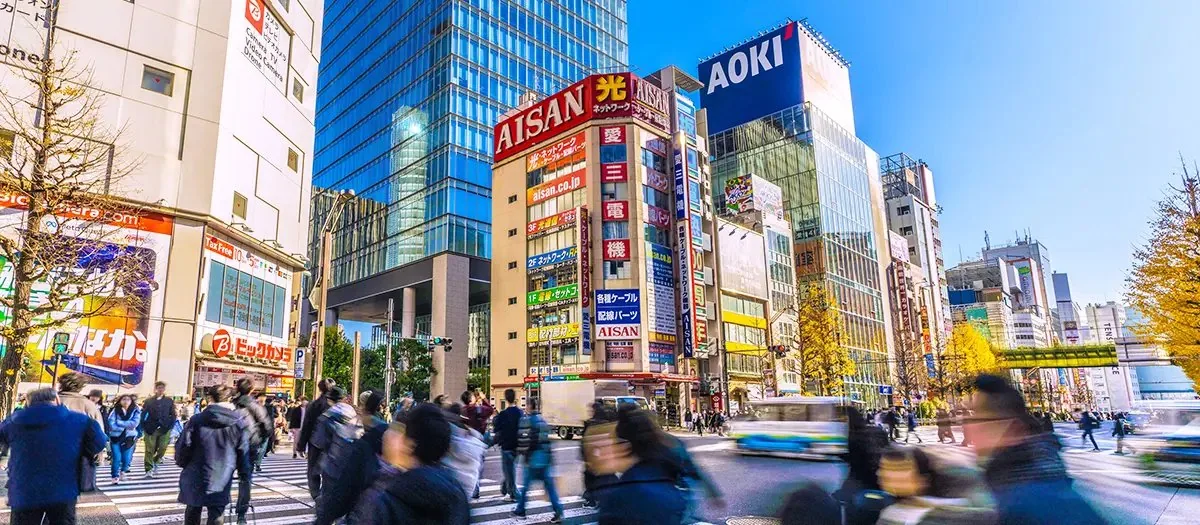
The former electronics market has grown into a district of games, anime, manga and specialist hobby shops. Large retailers line the main street, while smaller shops in the side lanes reward visitors interested in niche finds.
Browse the side streets as well as Chuo-dori. Shop hours vary.
A Japanese resale chain selling secondhand books, manga, music, films and games, with broader selections at some branches. Larger formats can include clothing, furniture and other goods, so the branch matters as much as the name.
Use the store finder and check each branch’s product categories.
A chain recommendation, not a single shop. Photo is representative BOOKOFF imagery from its official site.
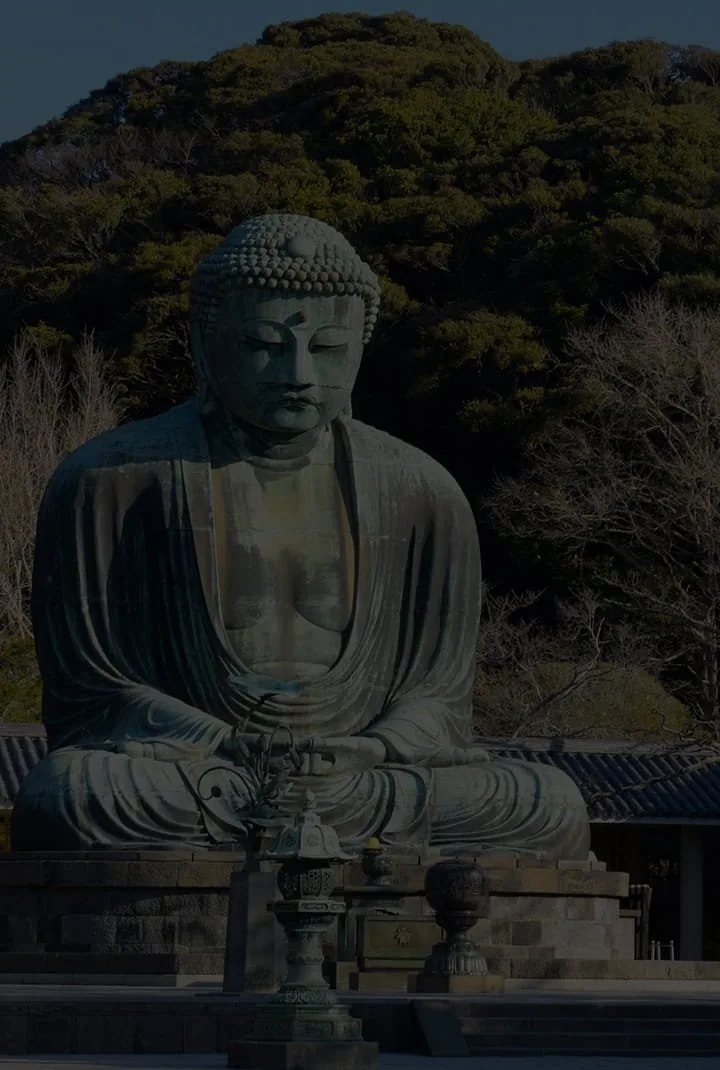
A coastal city south of Tokyo with temple neighborhoods, shopping streets and beaches. The former political capital works as a day trip, with the Enoden railway linking its quieter western neighborhoods to the coast and Enoshima.
Treat this as a separate day trip. Leave room for rail travel and walking.
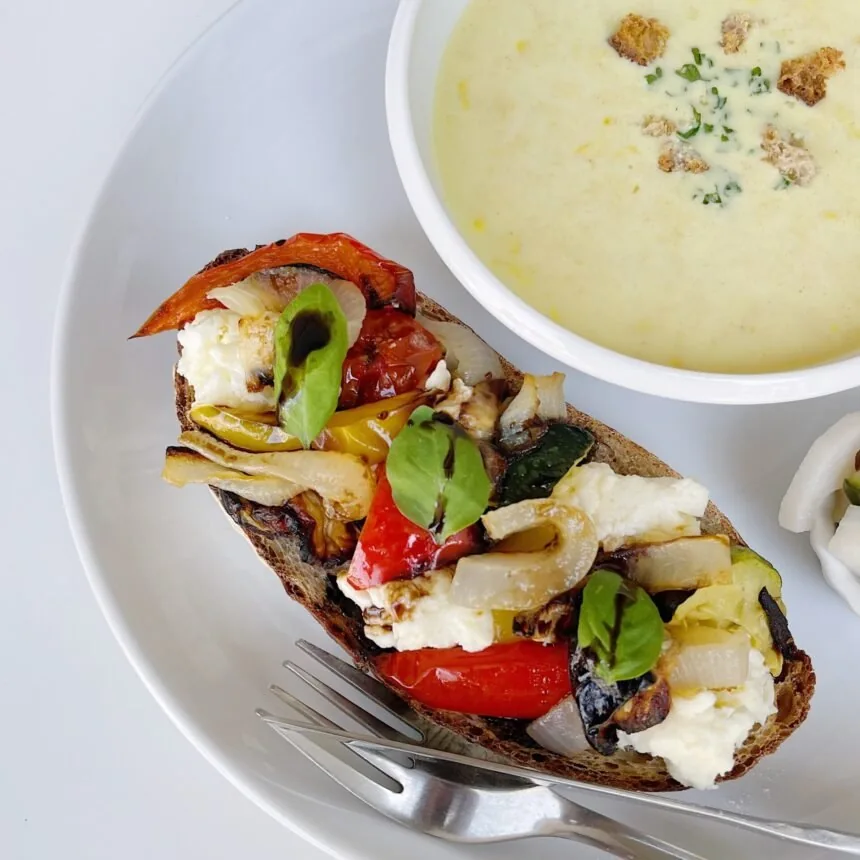
A small cafe near Hase Station serving Swedish-inspired food, soups, sandwiches and sweets. Monthly menu changes make it a flexible breakfast or lunch stop before exploring the Hase area or continuing along the Enoden line.
Check the current menu before counting on a particular dessert.
The original map resolves to Enoshima Shrine. This link is corrected to the cafe in Hase.
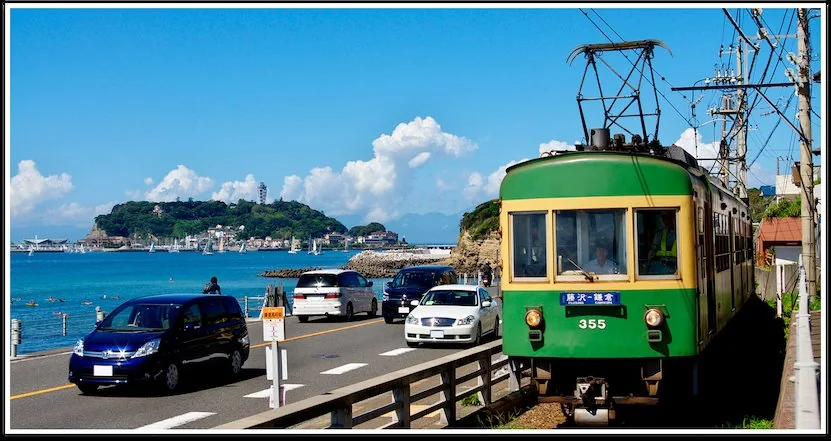
The small Enoden trains connect Kamakura and Fujisawa along a ten-kilometer route, passing residential streets and stretches of coast. Enoshima Station provides access on foot to the bridge and island, rather than stopping on the island itself.
Check the railway’s service updates. Allow walking time from the station to the island.
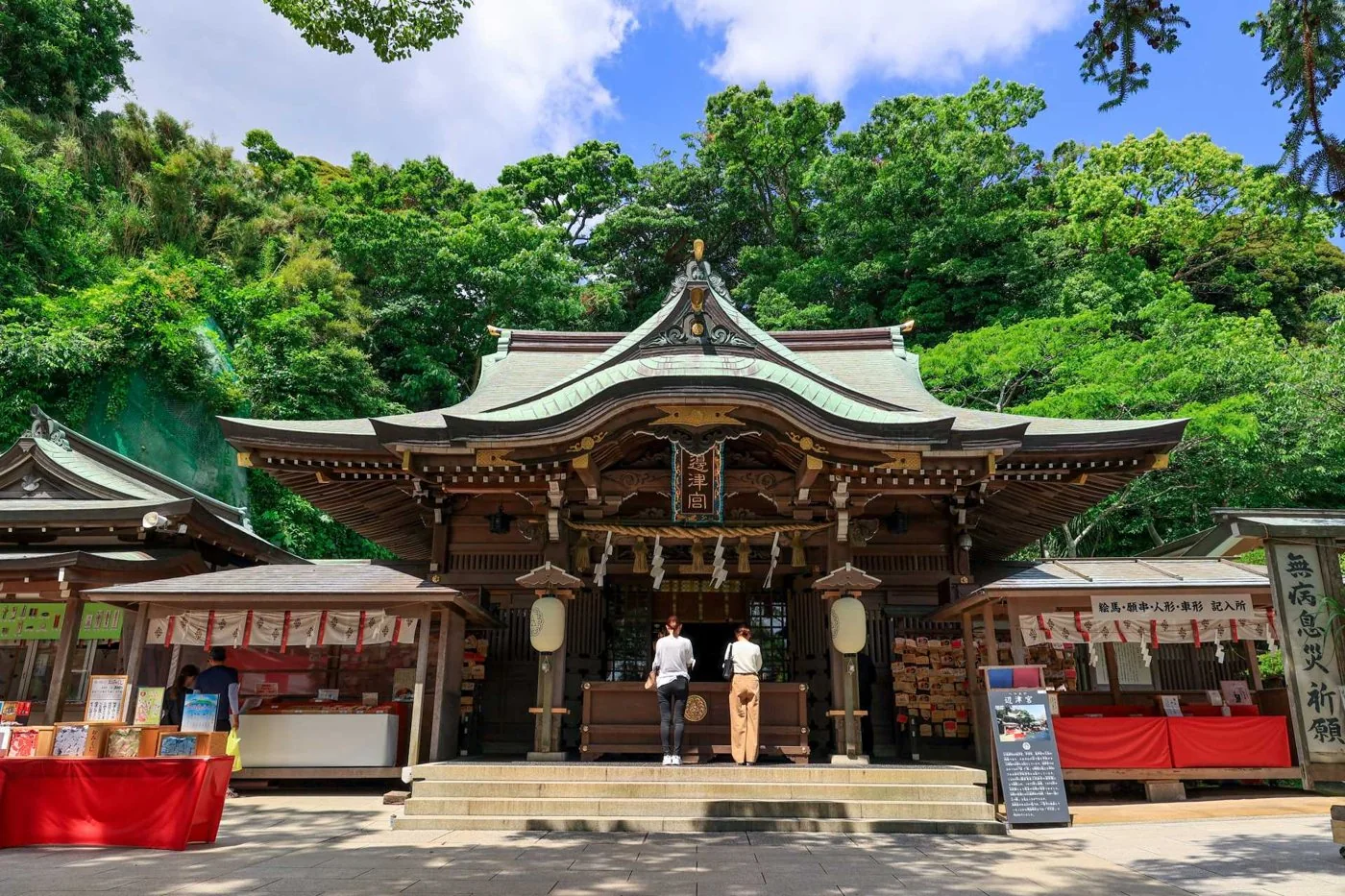
Hetsumiya is one of the three shrines that make up Enoshima Shrine on the island. The approach leads uphill through gates and steps, with other shrine sites and coastal viewpoints available further along the island paths.
Expect slopes and steps. Plan extra time if you continue around the island.
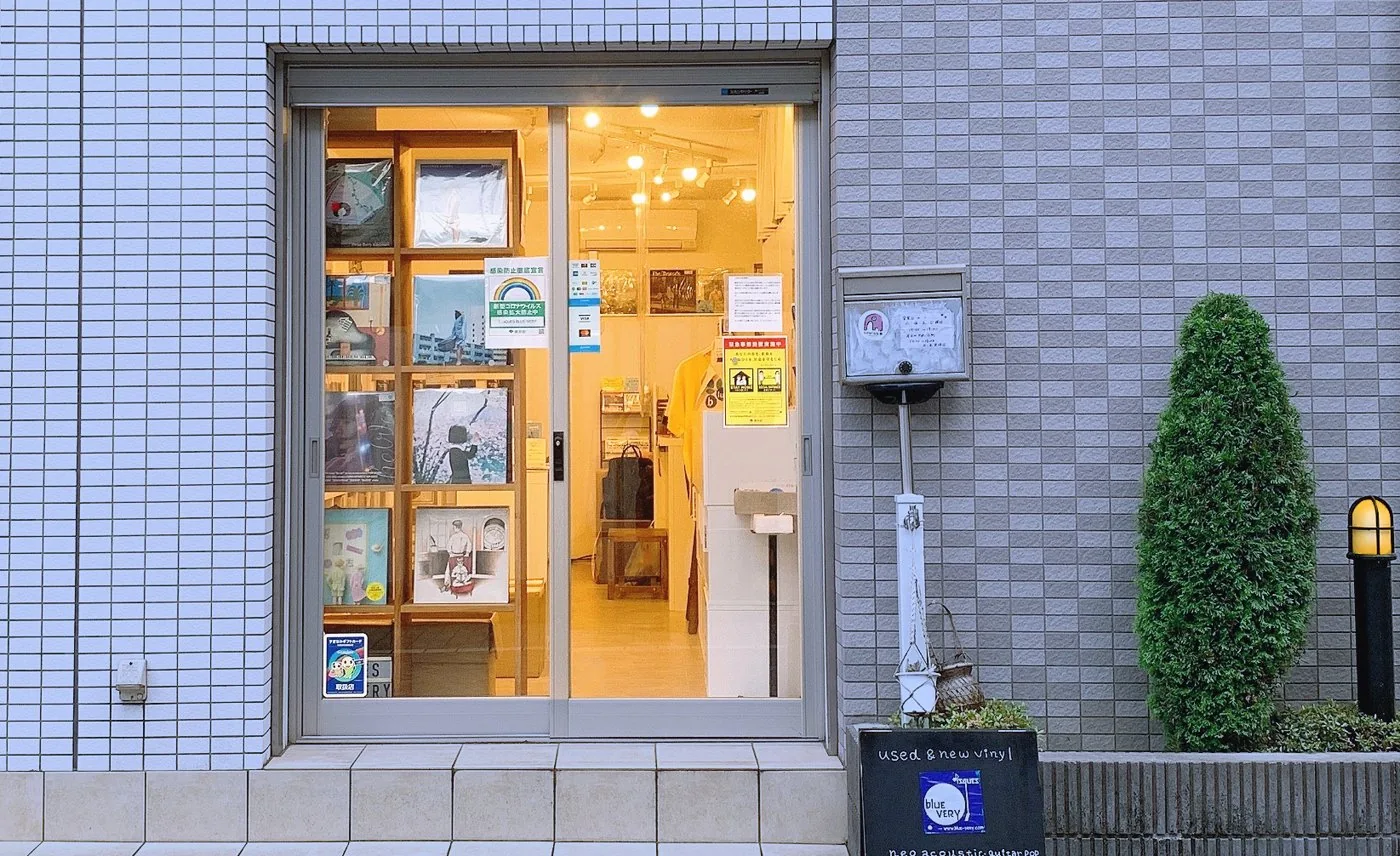
A record shop and independent label near Wadazuka Station. Its selection includes neo-acoustic pop, new wave, soft rock, AOR and city pop, with records sourced overseas and limited releases through its own label.
The shop is on the third floor. Check the official visit notice and opening days.
The original guide repeats the Enoshima Shrine map. This map points to the actual Kamakura record shop.
A small bakery and cafe tucked inside Kamakura’s central food market. Natural-yeast breads and a compact, characterful space make it a useful food stop while walking between the station, market and nearby shopping streets.
Look inside the market rather than for a large street-front bakery. Confirm today’s selection.
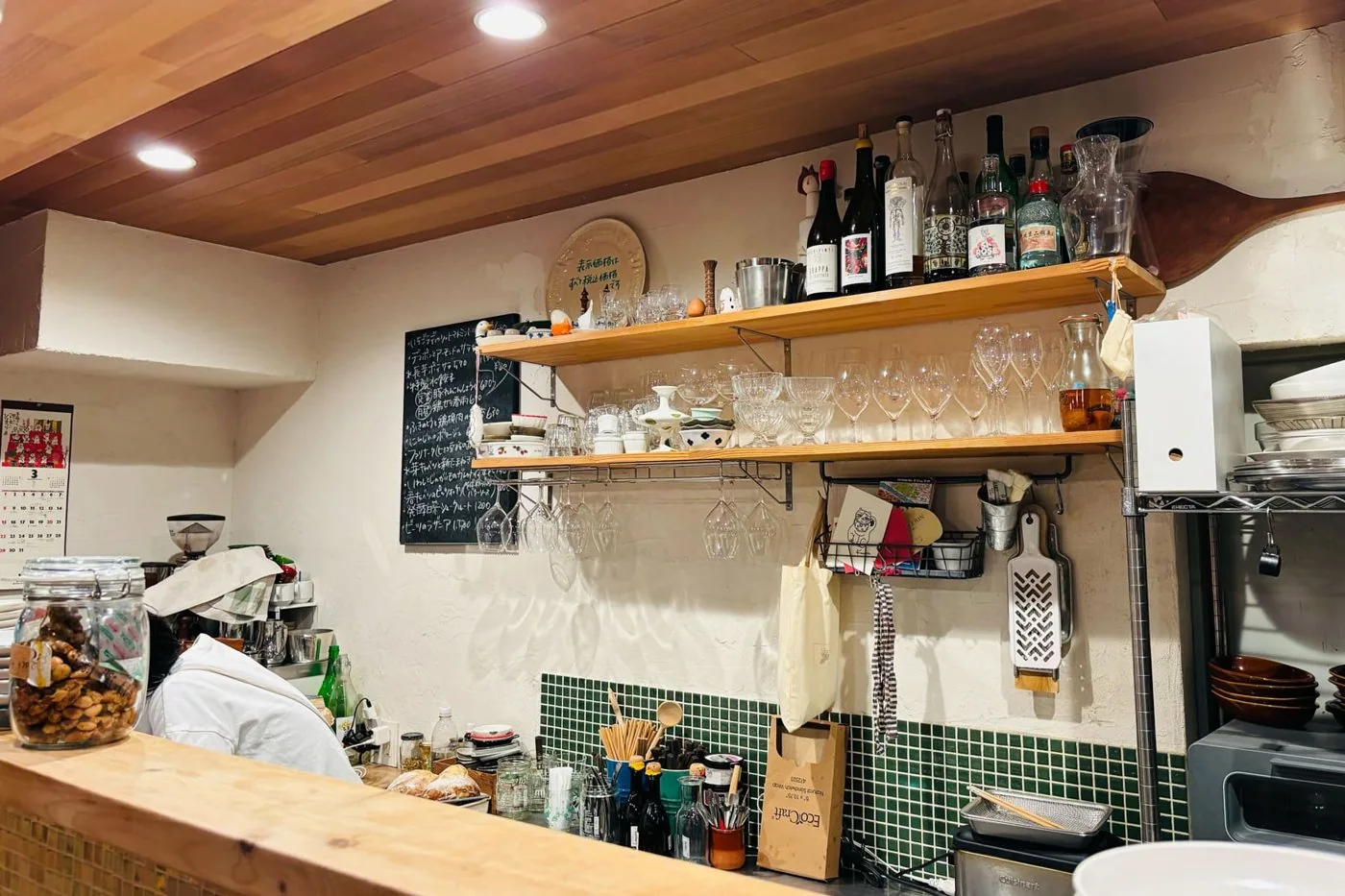
A small natural-wine bar on the west side of Kamakura Station, run by a sommelier couple. Seasonal small plates and a compact mix of counter and table seats suit an unhurried dinner after a day around the coast.
Book ahead when possible. Menus and desserts change.
A cafe and natural-wine bar in Matsumoto’s Nakamachi district, close to the city’s traditional merchant streets. Thom mentions it as another example of the small couple-run restaurants he enjoys, rather than as a Tokyo stop.
Save this for a Matsumoto visit. It is outside the Tokyo and Kamakura itinerary.
Outside Tokyo: a comparison in the original essay, included here for completeness.
A tiny standing restaurant in Hatagaya pairing seasonal small plates with natural wine and sweet-potato shochu. Its cooking draws on Kagoshima ingredients and French techniques, making it a relaxed stop for food and a few drinks.
Expect a standing bar. Check current service details before visiting.
This independent companion follows the places named in Thom’s Guide to Tokyo ↗, published on 31 July 2026. The recommendations are his; the extra descriptions, photographs and practical links are added here.
Details researched on 28 September 2026. Check the venue’s latest information before travelling. Individual sources and photo credits appear with each place. Photographs belong to their credited owners.
Some stops are alternatives. The full-week section includes trips outside Tokyo. Uncertain venue identities and corrected source links are noted beside the relevant place.